Classification Changes as System Events
Classification systems operate in environments that change continuously. Regulatory updates, interpretive guidance, and evolving product lines require organizations to adjust how decisions are made. In mature programs, these adjustments are not treated as isolated technical updates. They are handled as coordinated system events.
A system event is any change that influences multiple parts of the classification environment at once. It affects decision logic, documentation, workflows, and downstream operations. Recognizing change at this level helps organizations absorb updates without disrupting consistency or control.
This perspective shifts classification change from a reactive task to a managed process.
The Interconnected Scope of Classification Change
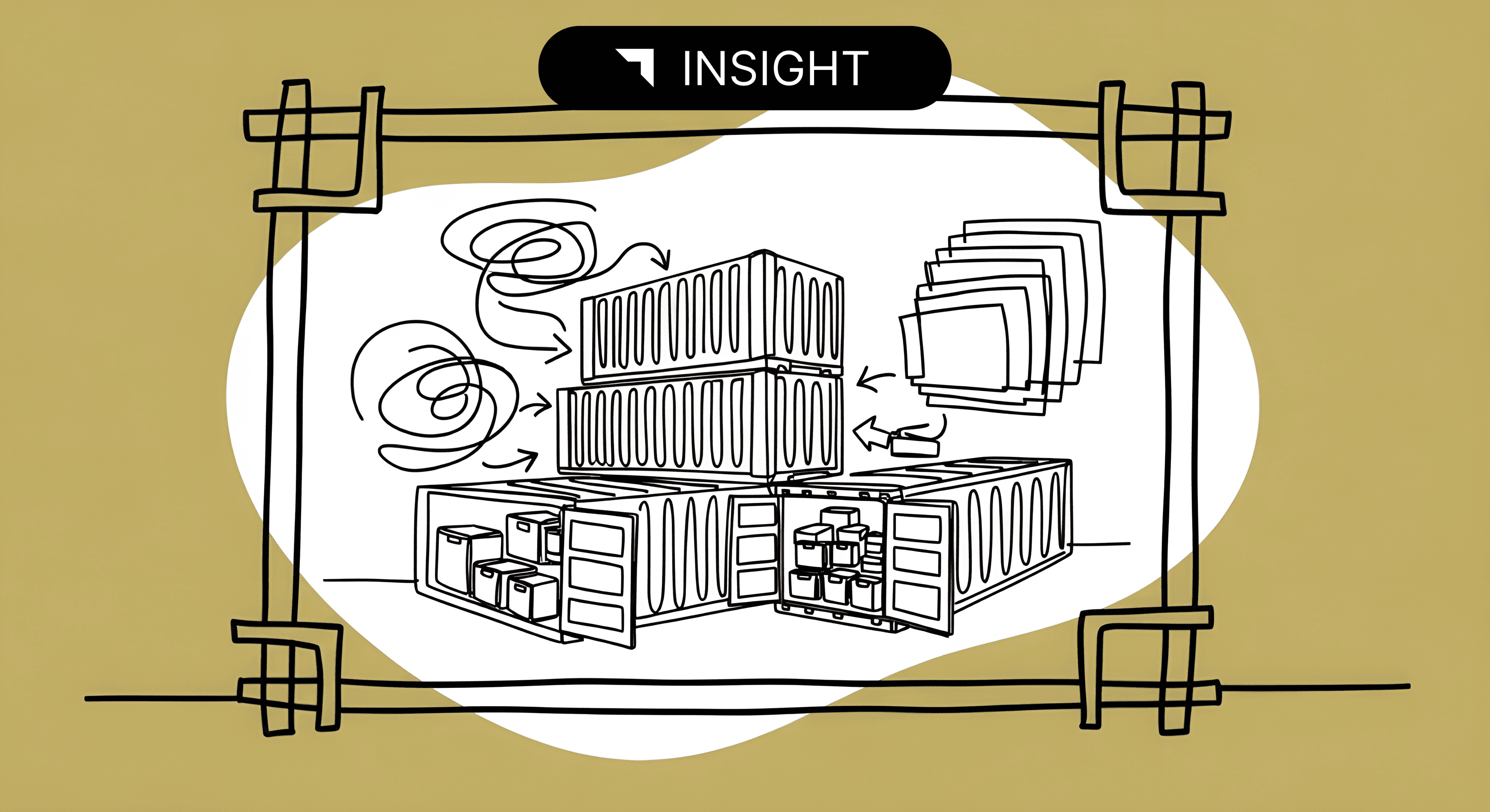
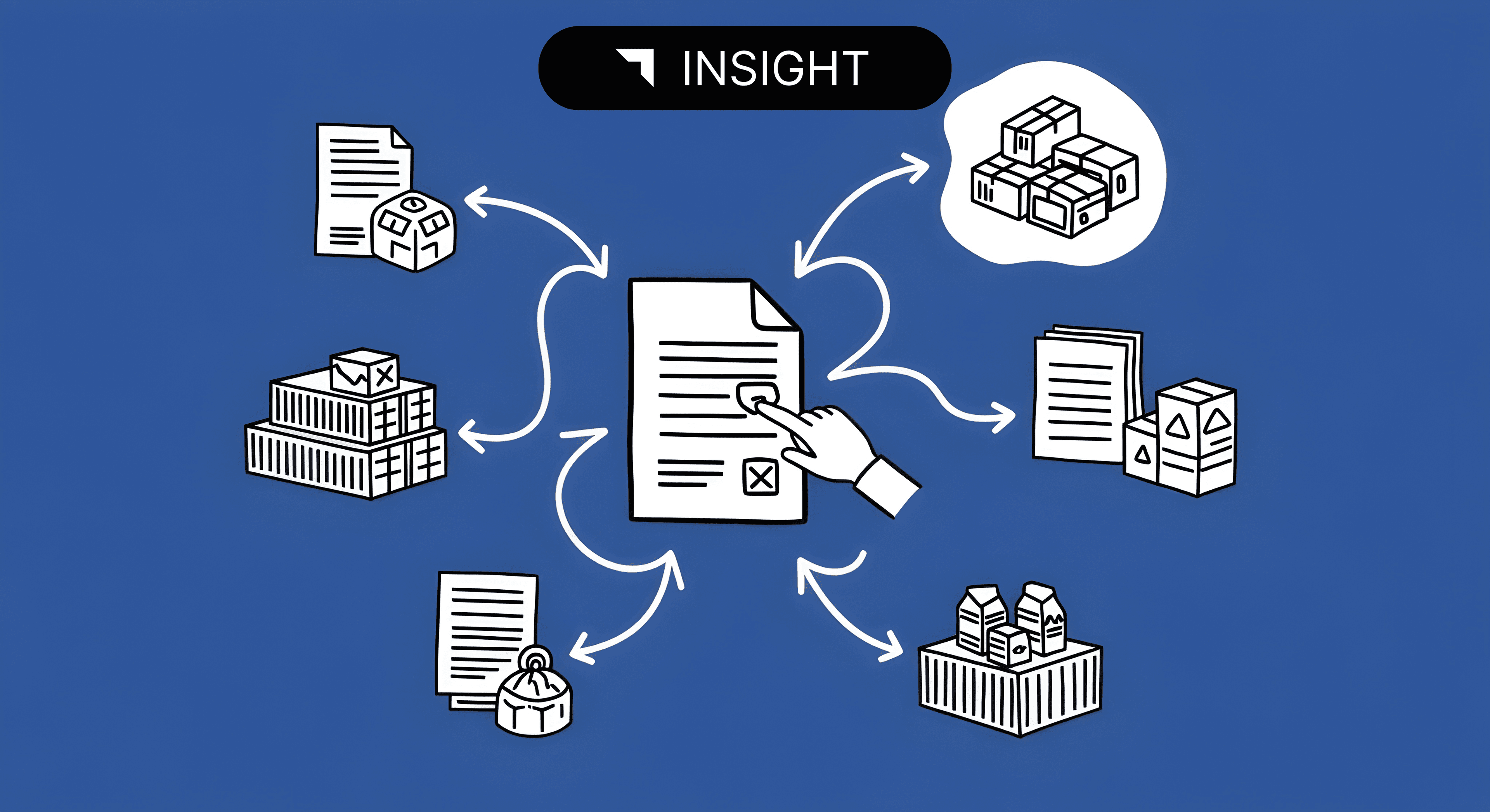
Classification decisions do not exist in isolation. Product families share reasoning, templates carry assumptions forward, and historical records influence new work. When one element changes, related areas often require attention as well.
Because of this interconnected structure, experienced classification teams examine how updates interact with existing records and supporting evidence. Their goal is to maintain alignment between legacy and new decisions. Without this system view, organizations risk creating parallel standards that gradually diverge.
Classification changes also extend beyond the trade function. They influence customs compliance, finance, and operational workflows. Treating change as a system event encourages coordination across these groups and helps organizations maintain continuity across the business.
Operational Coordination and Impact Awareness
Once a change is recognized as system wide, the next step is understanding where its effects are concentrated. Mature programs develop routines for mapping how classification logic is distributed across their catalogs.

$100 in free credit! Zero risk.
Create your free account — no credit card required.
This impact awareness allows teams to focus review efforts on product clusters and reference decisions that are closely connected to the update. Instead of applying uniform scrutiny everywhere, organizations can direct attention where it will have the greatest effect.
AI assisted classification systems support this work by providing visibility into how decisions are connected across large product environments. They make it easier to trace relationships between classifications and supporting evidence, helping teams plan targeted and efficient review activities.
This coordination is as much organizational as it is technical. Clear communication across functions ensures that updates are understood and absorbed consistently.
Absorbing and Stabilizing Change
After the scope of change is understood, organizations focus on implementing it in a controlled way. Well governed programs treat classification logic as a versioned asset. Maintaining records of what changed, when it changed, and why supports transparency and audit defensibility.
Implementation is followed by stabilization. Mature programs monitor recent decisions, sample affected areas, and observe emerging patterns to confirm that the change has been absorbed smoothly. This phase recognizes that classification change has a lifecycle that includes observation and adjustment.
Together, versioning and stabilization practices reinforce the idea that classification environments are actively managed systems.
Conclusion
In well governed classification programs, change is treated as a system event rather than a narrow technical update. This approach reflects the interconnected nature of decisions and supports continuity across evolving regulatory and product landscapes.
By combining impact awareness, cross functional coordination, and disciplined stabilization practices, organizations adapt to change without sacrificing control. AI assisted visibility strengthens this process by making complex relationships easier to oversee.
Over time, treating classification change as a managed system event supports environments that remain consistent, transparent, and resilient as business conditions evolve.