Correct Classifications That Still Create Duty Overpayment
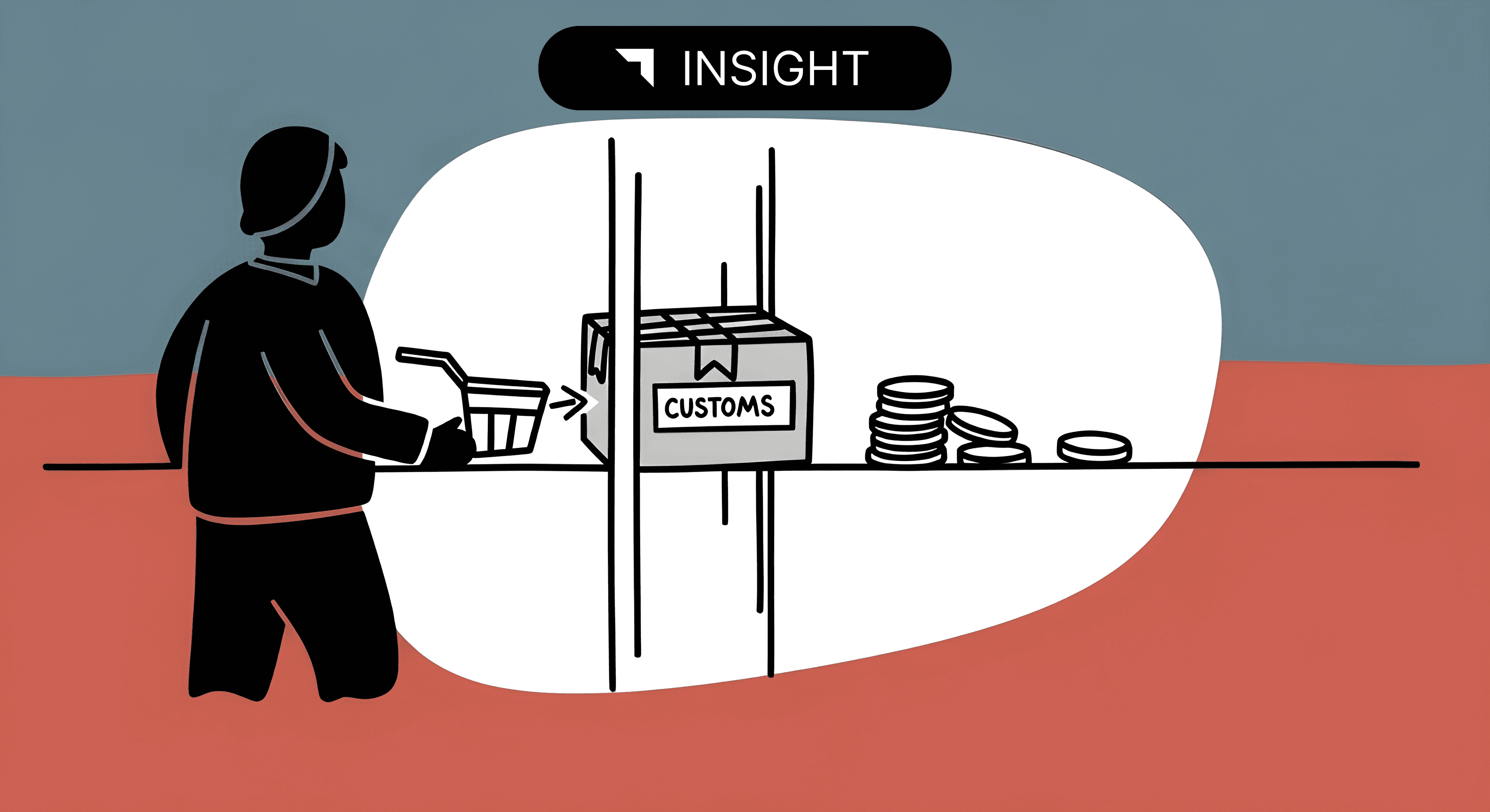
Tariff classification is often treated as the final step in determining customs duty. Once a product is classified correctly, many organizations assume the resulting duty outcome is also correct. In practice, however, accurate classification does not always lead to accurate or efficient duty treatment.
Duty overpayment can occur even when a classification is legally correct and defensible. This does not necessarily indicate an error or non-compliance. Instead, it often reflects how classification interacts with other customs rules and operational decisions. Understanding this distinction is important for effective trade compliance and financial oversight.
Classification Accuracy and Duty Outcomes
Tariff classification is a legal determination based on the wording of the tariff schedule, the General Rules of Interpretation, and the objective characteristics of the product. Once that determination is made correctly, it satisfies a core compliance obligation.
Duty outcomes depend on more than classification alone. Valuation, origin, preferential programs, and special tariff provisions all influence the amount of duty paid. A correct classification establishes where a product falls in the tariff, but it does not ensure that all available duty-reducing mechanisms have been considered or applied.
As a result, an entry can be compliant from a classification perspective while still resulting in higher duty payments than necessary.
How Correct Classifications Still Lead to Overpayment
Duty overpayment often occurs when legally available provisions are not used. Preferential tariff programs such as free trade agreements or unilateral preference programs may reduce or eliminate duty for eligible goods. Overpayment occurs when eligibility exists but is not claimed, often due to incomplete origin data, documentation gaps, or lack of consistent review processes.
Special tariff provisions, including duty suspensions, exclusions, or reduced-rate subheadings, can also be missed. These provisions may be temporary or narrowly defined, and routine classification workflows may default to standard duty rates even when lower rates are available.

$100 in free credit! Zero risk.
Create your free account — no credit card required.
Classification can also interact with valuation in ways that increase duty. When valuation methodologies are applied conservatively or without coordination with classification analysis, duty overpayment can occur even though the tariff classification itself is correct.
Operational Factors That Reinforce Overpayment
Organizations may prioritize consistency and risk avoidance, relying on default system settings or broker templates that do not prompt reassessment of duty treatment. Classification reviews may be conducted periodically, while duty outcomes are not reviewed with the same frequency.
Responsibility for classification, valuation, and duty spend is also often divided across different teams. This separation can limit visibility into how correct classifications translate into cumulative duty costs over time.
Why Overpayment Often Goes Unnoticed
Trade compliance programs tend to focus on underpayment risk and enforcement exposure. Overpayment does not create the same regulatory urgency and therefore receives less attention.
Without targeted review processes, overpayment can continue for extended periods. Individual entries may appear routine, while the overall financial impact remains obscured. When overpayment is identified, it is often during unrelated reviews or broader compliance assessments.
Moving From Accuracy to Informed Duty Management
Correct classification is essential, but it is not the end of the compliance analysis. Duty outcomes reflect how classification interacts with origin, valuation, and tariff programs, as well as how those rules are applied operationally.
An informed approach to duty management recognizes this interaction and incorporates periodic review of duty outcomes alongside classification accuracy. This supports compliance integrity and financial transparency without compromising regulatory expectations.
Conclusion
Duty overpayment can occur even when tariff classifications are correct, consistent, and defensible. This reflects the complexity of customs rules rather than a failure of compliance.
By distinguishing between classification accuracy and duty outcomes, organizations can better understand their trade exposure. Looking beyond classification alone allows importers to strengthen internal processes, improve oversight, and ensure that duty payments reflect the full range of applicable customs rules.
Related News
September 15, 2026
Customs Tightens the Net: Transshipment Crackdown, Canada 50% Tariff, and 301 Suits Advance
Read more →
February 13, 2026
Valuation Rule Under Fire, New Trade Pacts, and Compliance Tightens
Read more →
January 28, 2026