How AI Tools Can Help Teams Apply GRI Consistently Across Thousands of Products
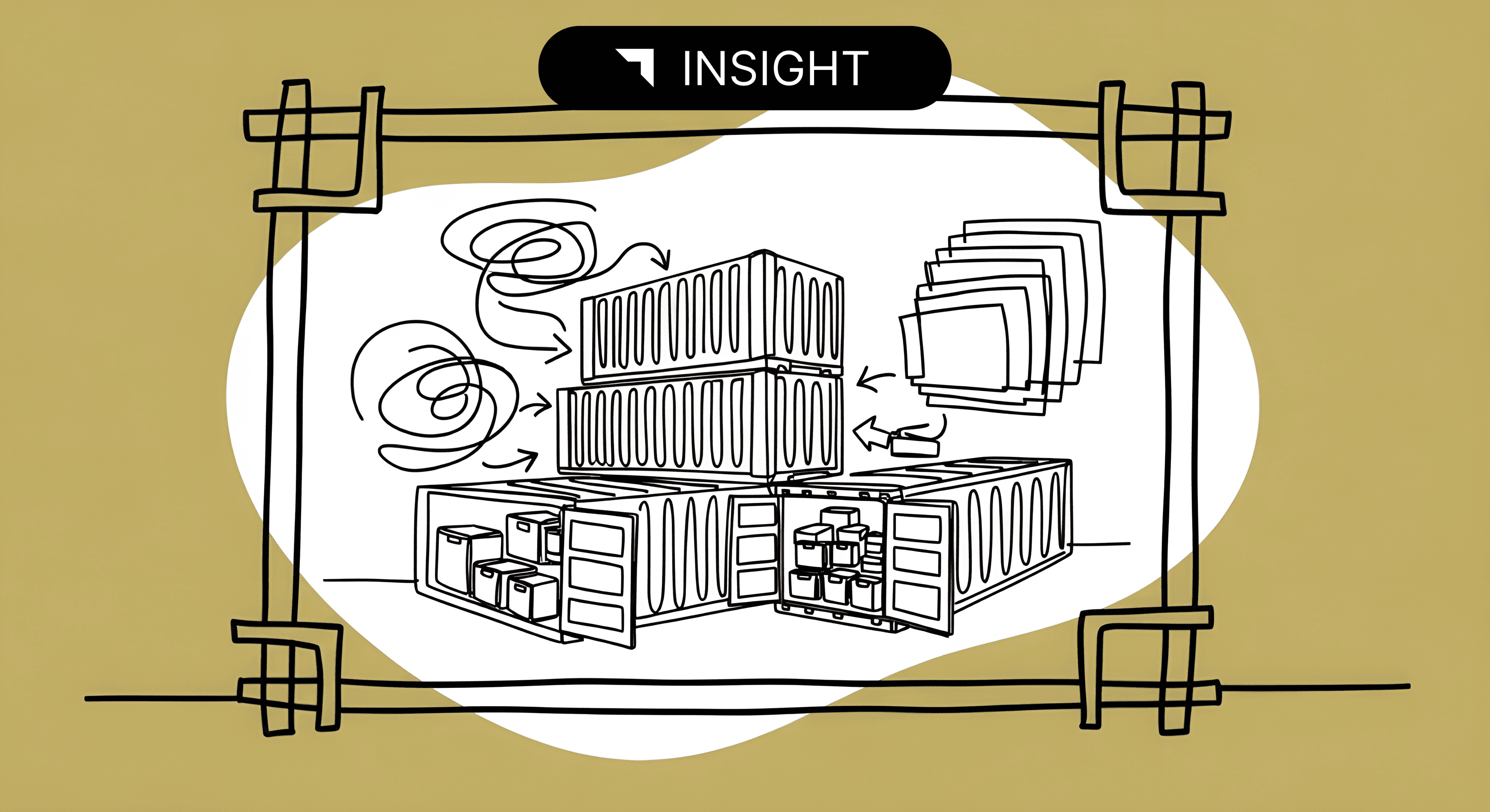
The General Rules of Interpretation provide a clear legal framework for HTS classification, but applying these rules at scale is challenging. Large importers, manufacturers, and logistics providers may handle tens of thousands of SKUs, each requiring consistent application of GRI 1 through 6. Manual classification inevitably introduces variability, interpretation differences, and gaps in documentation. AI tools built on legal deterministic logic can help teams standardize this process and eliminate inconsistencies that arise from human judgment.
AI does not replace the legal rules. Instead, it enforces them. By structuring classification around headings, notes, essential character, similarity analysis, and subheading hierarchy, AI systems ensure that every product moves through the correct legal sequence.
Why Large Catalogs Require a Deterministic Approach
When teams classify at scale, several issues often arise:
- Different analysts may interpret the same notes differently
- Essential character determinations vary across product lines
- Kits, composite goods, and hybrid materials receive inconsistent treatment
- Subheading logic is applied unevenly
- Documentation is fragmented or incomplete
This leads to inconsistent classifications, audit vulnerabilities, and difficulty managing updates when products or regulations change. AI tools grounded in GRI logic create uniformity by applying the same rules to every item, every time.
How AI Applies GRI 1 to 6 Step by Step
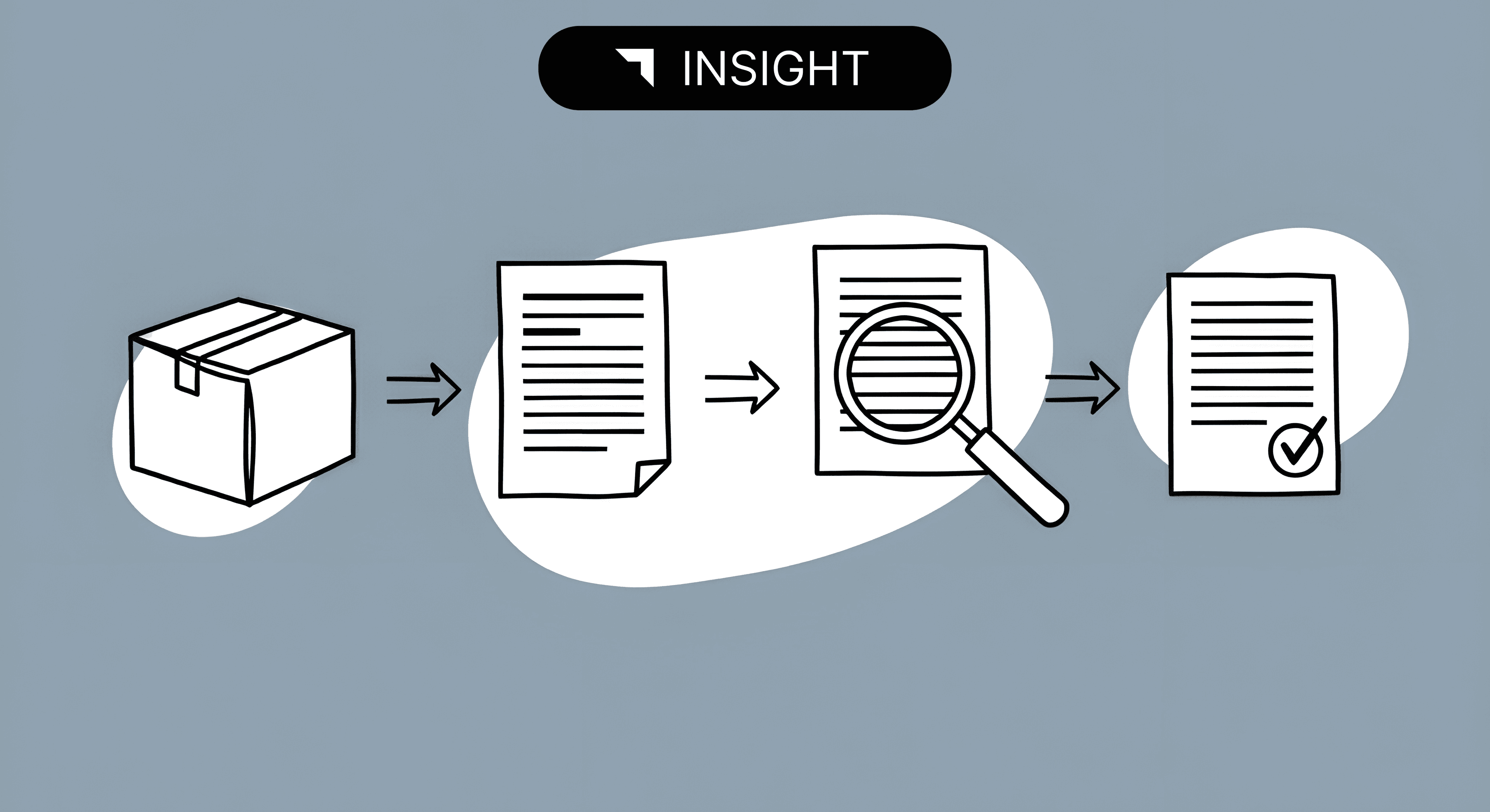
A well designed AI classification engine mirrors the same structured workflow human experts use, but with greater consistency:
GRI 1
The system evaluates heading text and relevant legal notes without relying on keyword matching or commercial descriptions.
GRI 2
The engine identifies incomplete or unassembled goods and determines whether they possess the essential character of the finished product.
GRI 3
Composite goods, kits, and mixed materials are analyzed for specificity, essential character, and fallback logic using structured criteria.
GRI 4
When necessary, similarity analysis is guided by objective product features rather than subjective comparisons.

$100 in free credit! Zero risk.
Create your free account — no credit card required.
GRI 5
Packaging and containers are evaluated based on long term use, fitted construction, and legal requirements.
GRI 6
Subheading classification follows the same rules as headings, ensuring that hierarchical logic is respected.
This mechanized approach ensures that every SKU follows the same legal pathway.
Reducing Human Interpretation Errors
Even skilled analysts may classify similar products differently. AI tools eliminate inconsistencies by:
- Applying legally grounded logic instead of subjective reasoning
- Reducing dependency on personal experience or memory
- Standardizing documentation across product lines
- Ensuring repeatable outcomes based on structured criteria
This does not replace expert review, but it significantly reduces error rates and allows experts to focus on complex edge cases.
Strengthening BOM Driven Workflows
For companies using Bills of Materials, AI systems ensure that each component is classified under the correct heading and subheading. This supports:
- Accurate tariff shift analysis
- Reliable FTA qualification
- Cleaner internal data structures
- Clearer audit trails
A consistent BOM classification foundation helps prevent downstream origin errors and strengthens overall compliance.
Improving Audit Readiness and Internal Controls
AI tools provide a built in documentation trail that supports:
- The legal logic behind each classification decision
- Evidence of how notes and GRIs were applied
- A record of essential character determinations
- Version controlled updates when rules or products change
This creates a defensible classification environment that aligns with customs expectations.
Enabling Faster Classification of New or Changed Products
When product catalogs change, AI systems can immediately evaluate new SKUs using the same GRI logic already applied across the organization. This reduces delays, removes bottlenecks, and helps teams keep up with rapid engineering or supply chain changes.
The Bottom Line
AI tools help organizations classify products at scale by applying GRI 1 through 6 with strict legal consistency. Instead of relying on subjective interpretation, AI provides a structured, repeatable, and defensible framework that aligns with customs requirements and supports better compliance across thousands of SKUs.
Start a live classification workflow in Trade Insight AI to see how AI applies GRI logic with full determinism across large product catalogs.