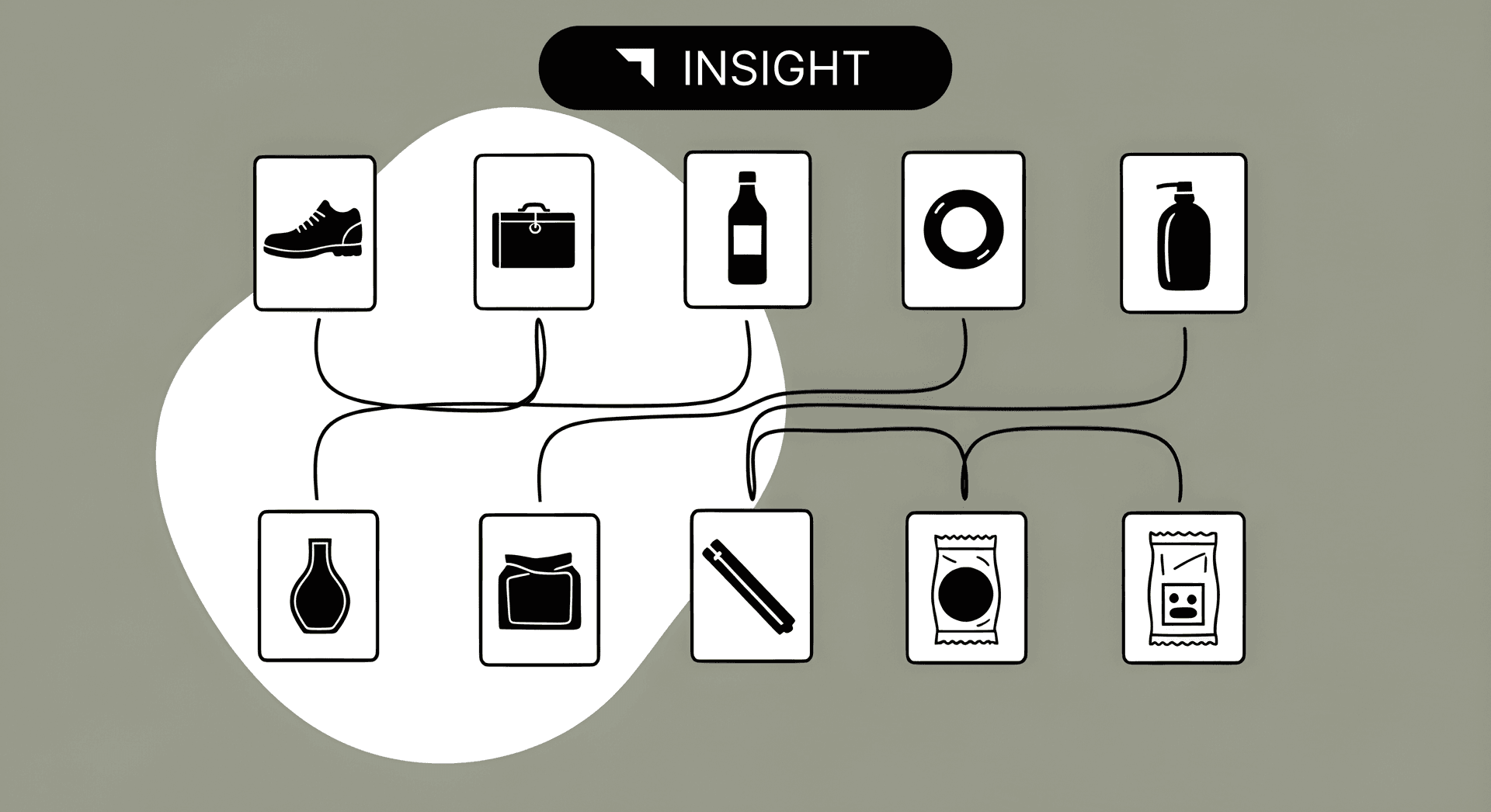
How Image Classification Works: A Clear Explanation for Trade and Compliance Teams
Why Image Classification Matters in Modern Trade Compliance
Accurate trade compliance starts with one fundamental requirement: a clear, consistent understanding of the product.
Tariff classification and other trade determinations depend on knowing what a product is made of, how it is constructed, and how it functions. In practice, that information comes from supplier descriptions, BOMs, and product documentation—data that can vary widely in quality and consistency.
Image classification is an AI capability that helps strengthen product understanding by analyzing visual evidence. When used alongside structured trade logic, it supports faster, more consistent, and more defensible compliance decisions.
This article explains:
-
How image classification works in general, and
-
How it complements AI-driven trade platforms like Trade Insight AI (TIA), which apply formal trade rules such as the General Rules of Interpretation (GRIs).
Part 1: How Image Classification Works (Plain-English Overview)
What Image Classification Is
Image classification is a type of artificial intelligence that identifies and labels what appears in an image.
Using computer vision and machine learning, image classification systems can recognize:
-
Product types
-
Components and structures
-
Visually observable attributes such as form, shape, or construction
Most modern systems rely on convolutional neural networks (CNNs)—a well-established approach used across many industries.
How the Technology Works
At a high level, image classification works by:
-
Converting images into numerical data
-
Detecting visual features such as edges, shapes, and textures
-
Combining those features into higher-level representations
-
Associating patterns with known categories or attributes learned during training
The system learns from examples rather than from manually coded rules.
Training and Outputs
Image classification models are trained using labeled images. Once trained, they can analyze new images and produce:
-
Suggested labels or categories
-
Confidence scores indicating likelihood
These outputs are signals, not legal conclusions—but they can be extremely valuable when used in the right place in a compliance workflow.
What Image Classification Contributes to Trade Compliance
In a trade context, image classification helps by:
-
Providing independent visual confirmation of product characteristics
-
Improving consistency across large product catalogs
-
Reducing reliance on vague or inconsistent descriptions
-
Supporting better identification of product characteristics relevant to analysis
Image classification strengthens product understanding, which is the foundation for applying trade rules correctly.
Part 2: How This Fits with Trade Insight AI (TIA)
What TIA Does — Clearly and Positively
Trade Insight AI is designed to apply formal trade rules at scale, including:
-
HTS classification
-
GRI-based decision logic
-
Clear reasoning and citations for each outcome (as shown in the examples below)
-
Consistency across large sets of products
TIA’s strength is combining:
-
Structured legal logic
-
Explainable workflows
-
Repeatability and documentation
Where Image Classification Fits Conceptually
Image classification fits naturally as a supporting capability in trade workflows, because it helps establish reliable product understanding before legal logic is applied.
In other words:
Image classification supports the inputs; TIA applies the GRIs and trade rules.
That combination is what enables faster, more consistent, and more defensible outcomes.
Image Classification and GRI Application: How They Work Together
It’s important to be precise:

$100 in free credit! Zero risk.
Create your free account — no credit card required.
-
GRIs are legal rules
-
TIA applies those rules systematically and transparently
-
Image-based understanding helps ensure the product facts feeding into those rules are correct
Image classification does not replace GRI logic—it strengthens it by improving confidence in the underlying product information.
Examples: What This Looks Like in TIA (Real Runs)
The examples below are based on TIA classification outputs you generated on December 15, 2025. Each example includes (1) where to place the image in your document and (2) a short, reader-friendly summary of what the output demonstrates.
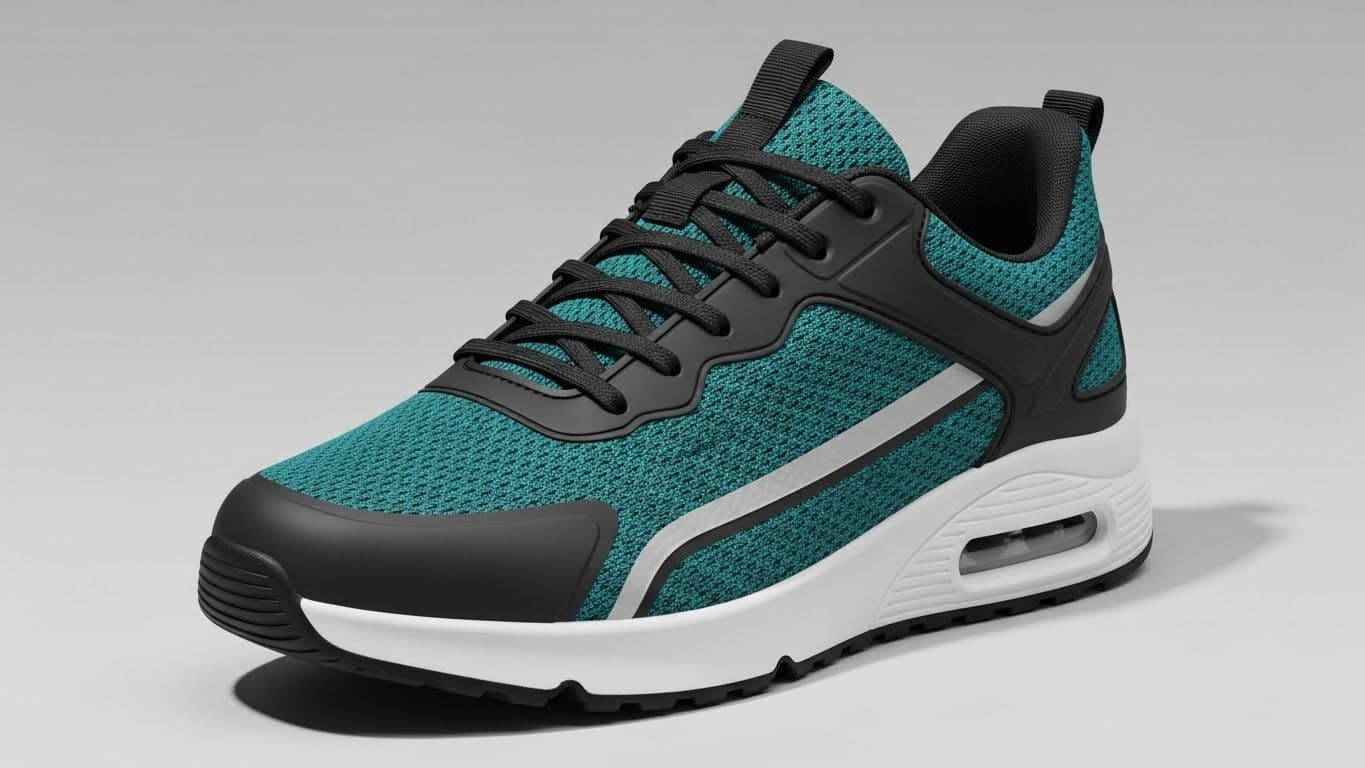
Example 1: Athletic Shoe (Footwear)
What was entered into TIA (description):
“Lace-up athletic shoe with textile and synthetic upper and rubber outer sole”
What TIA identified from the image (high level):
TIA’s image analysis described a low-cut, closed-toe/closed-heel sneaker silhouette with a rubber/plastics outsole, textile upper with synthetic overlay reinforcements, and no cleats/spikes or protective/weatherproof features.
How TIA applied trade logic (at a glance):
-
Selected Chapter 64 (Footwear) based on the product being complete footwear and by applying the relevant Chapter 64 notes for upper/outer sole material determination.
-
Considered and excluded alternatives such as Chapter 95 (sports equipment) and Chapter 90 (medical/orthopedic) based on notes/exclusions and the absence of sport-specific attachments or orthopedic design indicators.
-
Arrived at heading 6404 as the best fit given a rubber/plastic outer sole and (based on the provided facts and note framework) a textile upper.
Output highlight (what this demonstrates):
This is a clean example of how clear product understanding (supported by what’s visible in the image) connects to GRI-aligned reasoning and documented chapter/heading selection inside TIA.
Result shown in your output:
Proposed HTS: 6404.11.90.50 (as generated in the TIA output)
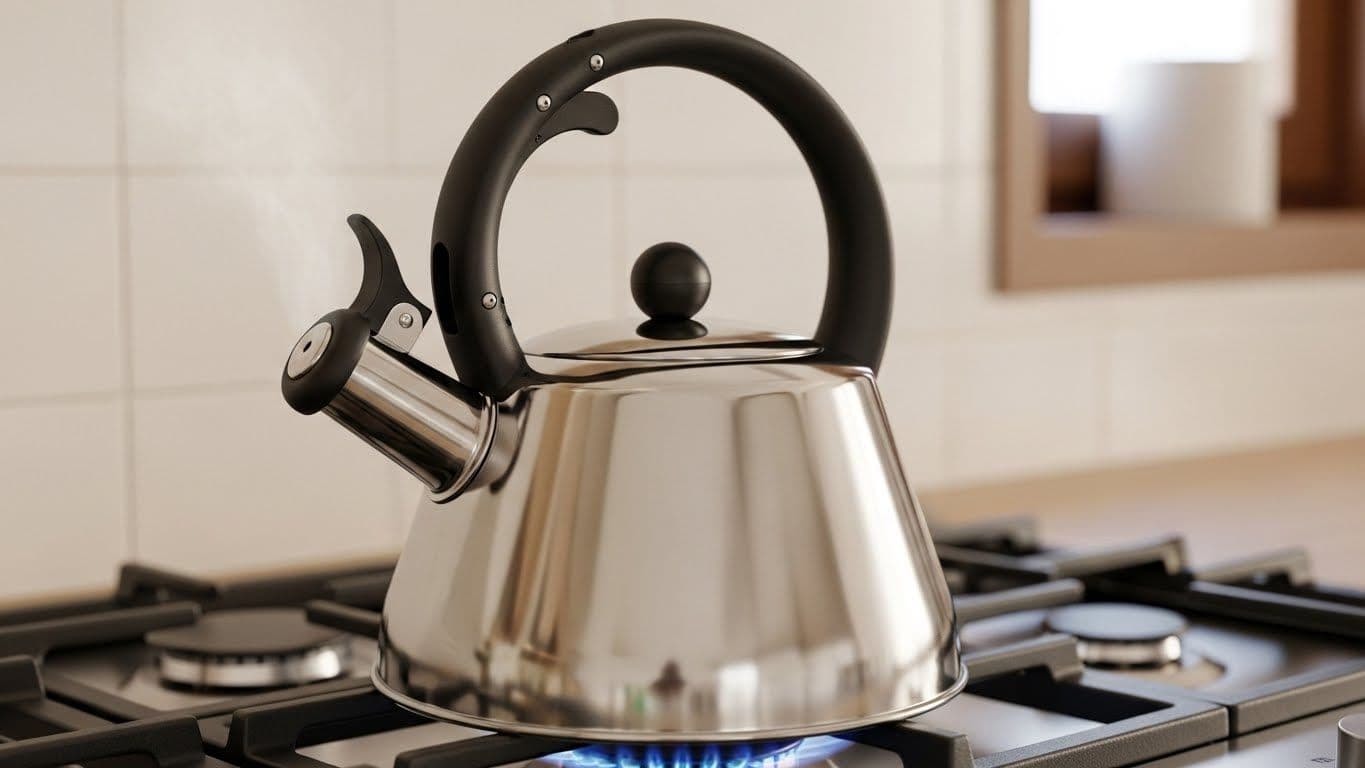
Example 2: Stovetop Kettle (Non-electric household kitchenware)
What was entered into TIA (description):
“Metal stovetop kettle with handle and spout, used for heating water.”
What TIA identified from the image (high level):
TIA’s image analysis described a dome-profile stovetop kettle with a metal body, handle, spout components, and no electrical elements; pictured in use over a gas flame.
How TIA applied trade logic (at a glance):
-
Treated the kettle as a composite good (metal body + non-metal handle parts) and applied the essential character approach to select the controlling component (the metal vessel body).
-
Selected Chapter 73 and then heading 7323 (kitchen/household articles of iron or steel) and moved into an enameled teakettle line, based on the described construction and use case.
Output highlight (what this demonstrates):
This example shows how TIA combines visual product understanding with structured, explainable reasoning to land in the correct family for a common household item—without relying on vague labels like “kettle” alone.
Result shown in your output:
Proposed HTS: 7323.94.00.10 (as generated in the TIA output)
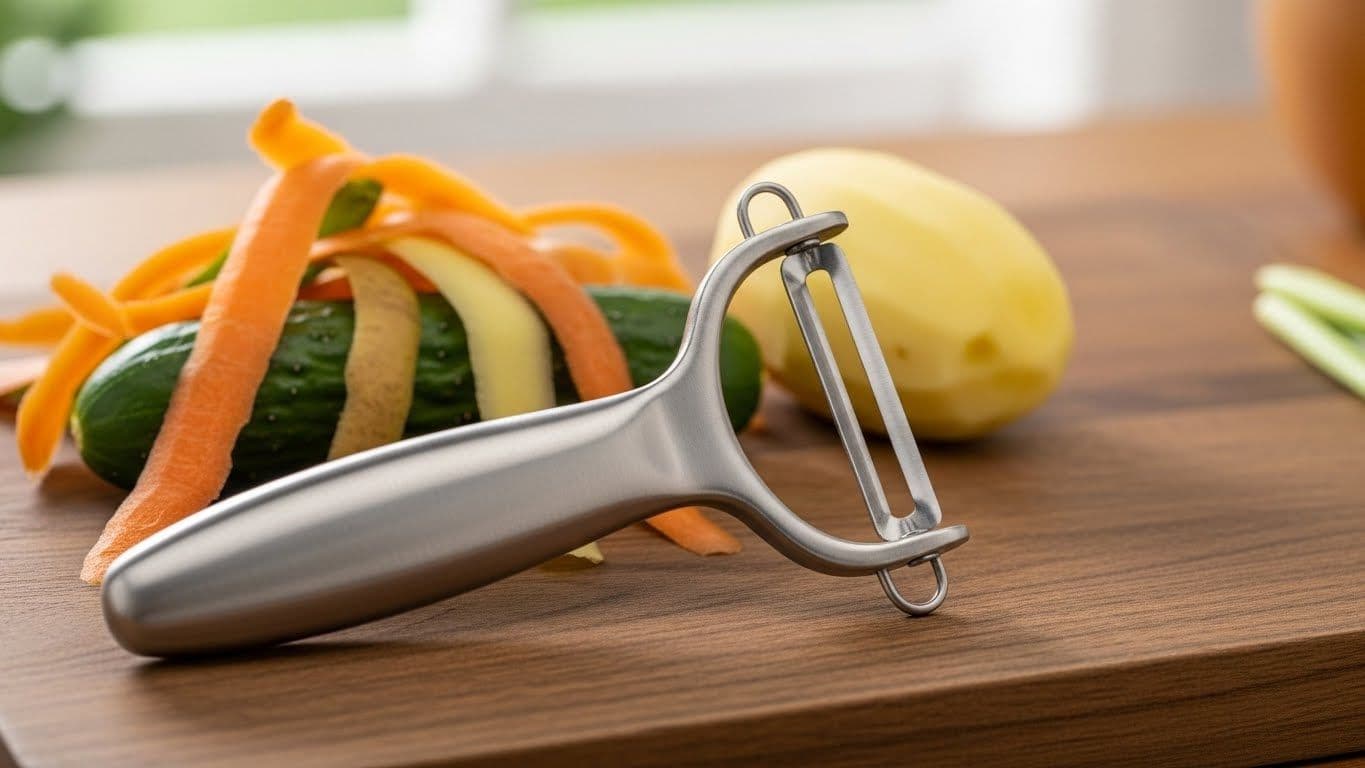
Example 3: Julienne Peeler / Slicer (Handheld kitchen cutting tool)
What was entered into TIA (description):
“Handheld kitchen utensil with metal handle and blade, designed for peeling or slicing vegetables”
What TIA identified from the image (high level):
TIA’s image analysis described a Y-frame handheld tool with dual cutting edges (straight + toothed/julienne), manual operation, and stainless-steel construction.
How TIA applied trade logic (at a glance):
-
Selected Chapter 82 (tools/implements/cutlery of base metal) based on the presence of a base-metal working edge and the nature of the tool as a handheld cutting implement.
-
Evaluated alternate headings (including household article provisions) but preferred the more specific cutlery/tools pathway.
Output highlight (what this demonstrates):
This example is especially useful because it shows how a simple kitchen item can legitimately fall under tools/cutlery logic, and how TIA documents why that pathway is stronger than a generic “kitchenware” bucket.
Result shown in your output:
Proposed HTS: 8211.92.90.60 (as generated in the TIA output)
Key Takeaway
Image classification is a proven AI capability that helps teams standardize product understanding using visual evidence. When paired with Trade Insight AI, which applies GRIs and trade rules through transparent and repeatable reasoning, compliance teams can move faster without compromising audit defensibility.
Try image classification right now here.