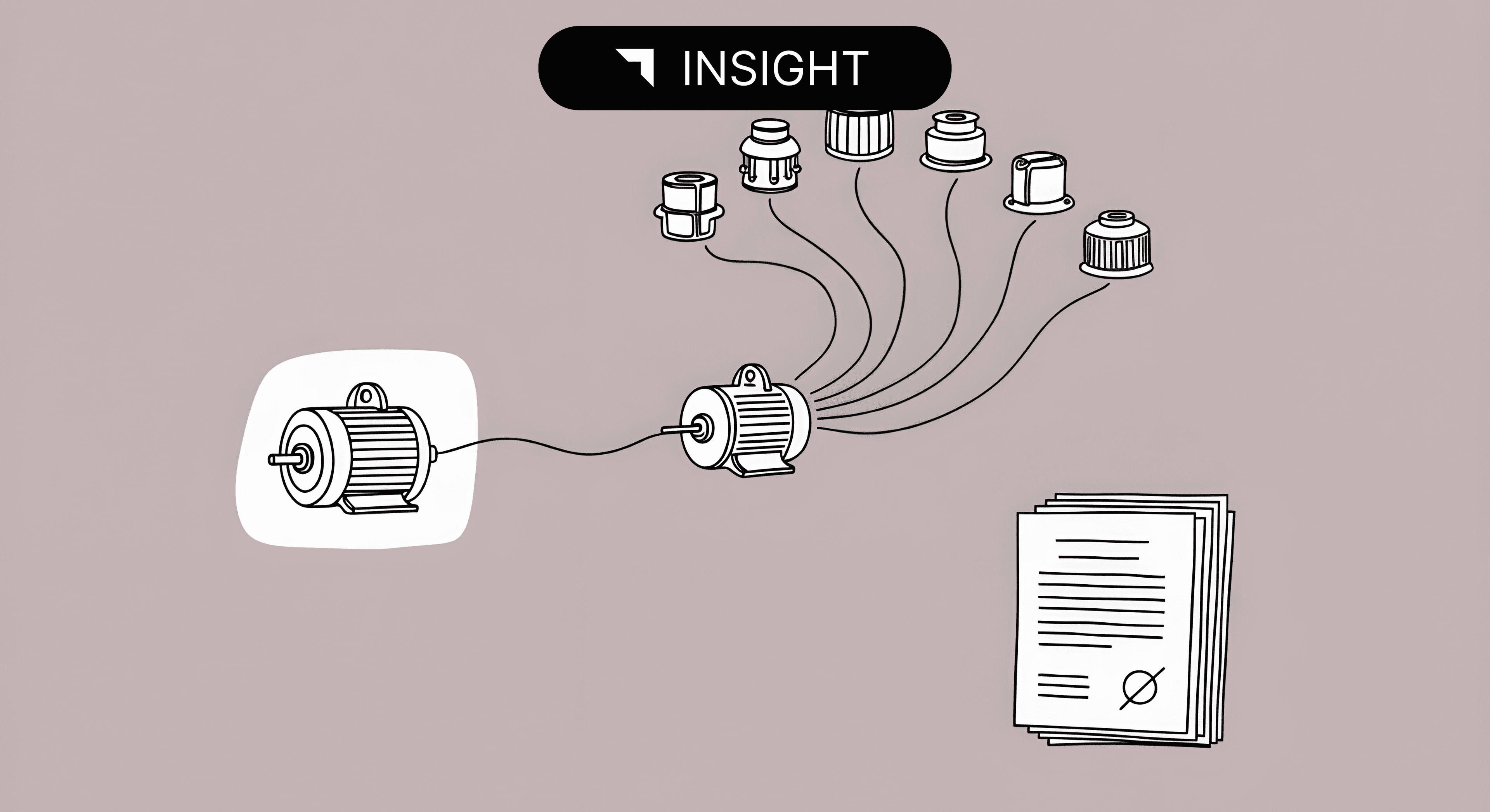
How Tariff Classification Decisions Become Organizational Precedent
Tariff classification decisions rarely remain isolated. Once an HS classification is assigned to a product, that decision often becomes a reference point for future classification work inside the organization.
Over time, a single classification decision may influence how similar products are classified across entire product lines. The original reasoning behind that decision can gradually shape how trade compliance teams interpret comparable goods, sometimes long after the initial analysis was performed.
This process is commonly described as organizational precedent. In practice, it plays a significant role in how classification programs operate at scale.
Understanding how classification decisions evolve into precedent helps organizations maintain consistency while avoiding the risk of outdated or unsupported classifications spreading across product catalogs.
Why Precedent Emerges in Classification Programs
Organizations that manage large product portfolios frequently encounter similar products, components, or product families. When trade compliance teams classify a new product, they often review existing classifications to determine whether a similar analysis has already been performed.
This practice helps maintain consistency across the classification program. If a comparable product has already been classified under a specific HS heading, that decision may serve as a starting point for evaluating the new product.
For example, a company that imports several types of electric motors may classify the first product after detailed analysis of the relevant headings in the Harmonized System. When similar motors are introduced later, the earlier classification may be used as a reference point.
Over time, this approach allows classification teams to work more efficiently while maintaining consistency across related products.
How Precedent Develops Over Time
Classification precedent typically develops gradually rather than through formal policy.
A typical pattern might unfold as follows:
- A new product is classified through detailed analysis of the Harmonized System and the General Rules for the Interpretation.
- The classification decision is documented and stored in product master data or internal classification records.
- Similar products introduced later are evaluated using the earlier decision as a reference point.
- The original classification logic begins to influence how additional products are classified across the catalog.
As this process continues, the original decision becomes embedded in the organization’s classification knowledge base.
In many cases, precedent is reinforced through operational systems. Once a classification code is stored in enterprise product data, it may automatically appear on customs declarations, invoices, and internal trade reporting systems. This operational reuse further strengthens the influence of the original classification decision.
Benefits of Organizational Precedent
When managed properly, classification precedent can strengthen compliance programs.
One key benefit is consistency. Applying similar classifications to comparable products helps ensure that customs declarations remain consistent across shipments and business units.

$100 in free credit! Zero risk.
Create your free account — no credit card required.
Precedent can also improve efficiency. Trade compliance teams often manage large product catalogs, and reviewing prior classification decisions can reduce the time required to analyze similar products.
In addition, precedent helps build internal classification knowledge. Over time, organizations develop a structured body of classification analysis that can support future decisions.
Risks of Unexamined Precedent
Although precedent can improve efficiency and consistency, it also introduces potential risks.
If the original classification decision was incomplete or based on outdated information, the same reasoning may be applied to multiple products without being reassessed.
For example, a classification assigned to one product may later be applied to additional models within a product family without verifying whether the products share the same material composition, function, or manufacturing characteristics.
As product catalogs expand, these inherited classifications can propagate across systems and transactions, sometimes affecting large volumes of international trade.
This risk highlights the importance of maintaining clear documentation for the original classification analysis.
The Role of Documentation
Documentation plays a critical role in managing classification precedent.
When the reasoning behind a classification decision is clearly documented, trade compliance teams can determine whether the same logic applies to similar products.
Documentation may include:
- product specifications used during the analysis
- the tariff headings considered
- the legal reasoning applied under the General Rules for the Interpretation
- references to customs rulings or administrative guidance when relevant
Maintaining this documentation allows organizations to use precedent responsibly rather than relying solely on previously assigned HS codes.
Precedent in Large Classification Catalogs
In organizations that manage large product catalogs, precedent often becomes part of the broader classification governance framework.
Over time, previously analyzed classifications form part of the organization’s internal classification data and analytical records. These records help trade compliance teams evaluate whether new products align with existing classifications or require independent analysis.
As classification catalogs grow, structured classification data and analytical tools can help identify relationships between products and highlight when precedent may or may not apply.
This approach helps organizations balance efficiency with careful legal interpretation.
Maintaining Healthy Precedent
Organizations that rely on precedent typically adopt several practices to maintain classification quality.
These practices may include:
- documenting classification reasoning for each decision
- periodically reviewing older classifications
- verifying that similar products truly share relevant characteristics
- monitoring regulatory developments that could affect earlier interpretations
By maintaining these practices, companies can ensure that precedent strengthens classification consistency without allowing outdated decisions to persist indefinitely.
Final Perspective
Tariff classification decisions often influence far more than a single product. As organizations classify additional goods over time, earlier decisions can become reference points that shape future classification work.
Understanding how classification decisions evolve into organizational precedent helps companies maintain consistency across product catalogs while preserving the accuracy and defensibility of HS classifications.
When precedent is supported by clear documentation and careful analysis, it becomes a valuable component of a mature tariff classification program.