Improve SAP GTS Classification Without Replacing It
SAP GTS is effective as a system of record for trade compliance, but classification quality depends on what enters the system. This guide explains how to improve HTS classification inside SAP GTS by addressing upstream decision-making, standardizing logic, and introducing audit-ready reasoning without changing your existing setup.
SAP GTS Works as Designed. The Problem Is Upstream.
SAP GTS is built to store, manage, and apply trade data across transactions. It performs that role effectively.
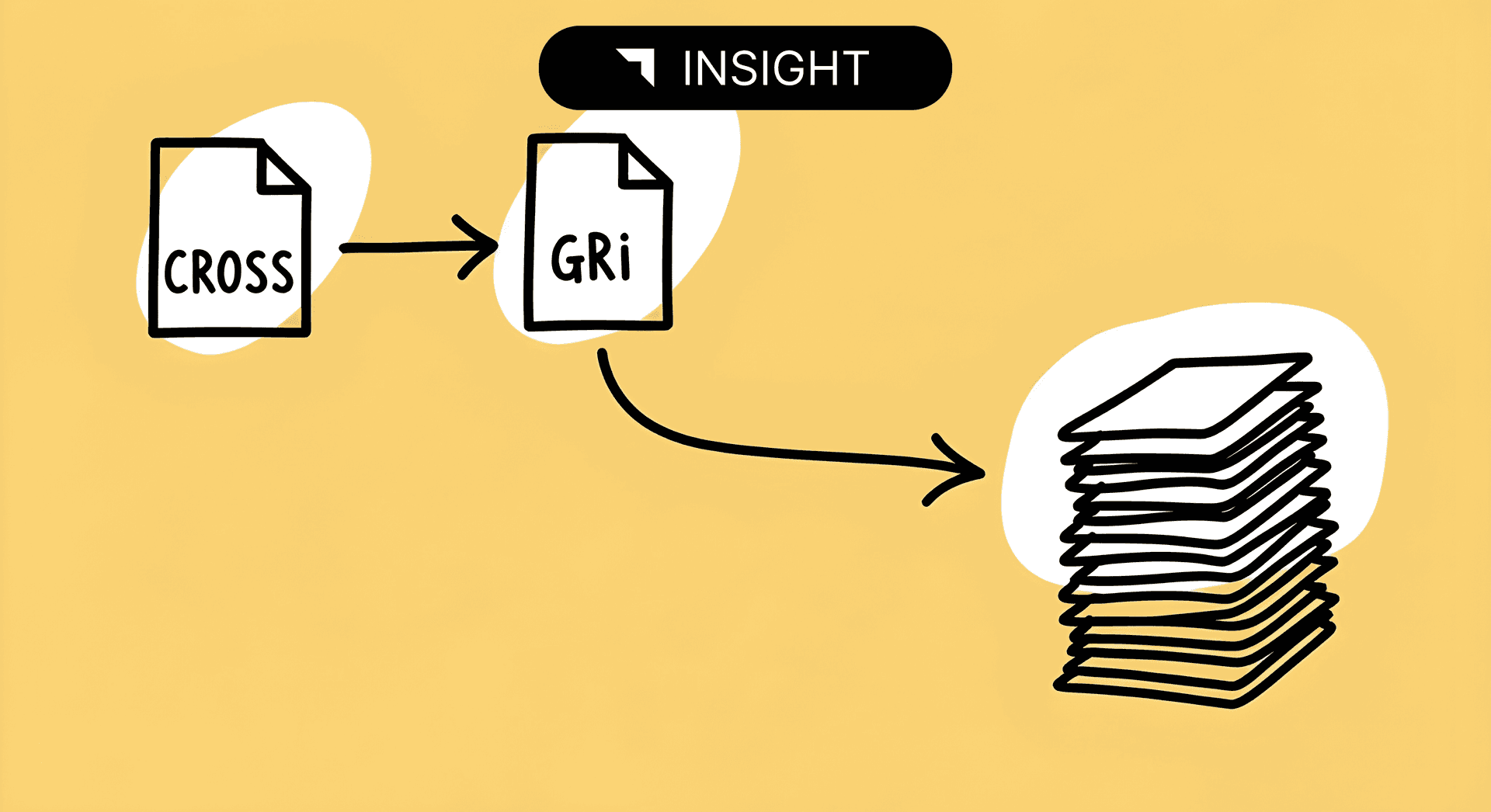
Classification, however, is not generated inside GTS. It is introduced into the system through master data, often based on prior decisions, external inputs, or manual workflows. Once entered, those classifications are reused, scaled, and relied upon across compliance processes.
When classification quality is inconsistent at the point of entry, GTS does not correct it. It operationalizes it.
This creates a structural issue. The system reflects the decision, but it does not contain the logic behind it.
Where Classification Quality Breaks Down
The issue is not a lack of knowledge. It is the absence of a structured decision process before data enters GTS.
Several patterns appear consistently:
- classifications are reused across similar products without re-evaluation
- different teams apply different interpretations of the same product category
- product descriptions are incomplete or inconsistent
- reasoning is not documented in a way that can be revisited
Over time, this leads to divergence across the dataset. Two similar products may carry different HTS codes, and the rationale for those differences may not be recoverable.
What SAP GTS Does and Does Not Do
Understanding the boundary of the system clarifies where improvement is needed.
| Function | SAP GTS | Requirement for Quality |
|---|---|---|
| Store HTS codes | Yes | Codes must be correct before entry |
| Apply classification to transactions | Yes | Consistency depends on source data |
| Determine classification | No | Requires external logic |
| Store reasoning | Limited | Requires structured documentation |
This gap is where classification quality is determined.
What Improves Classification Quality in Practice
Improving classification inside SAP GTS does not require replacing the system. It requires improving the inputs and the process that produces them.
Three elements make the difference.
Structured Decision Logic
Each classification should be based on a consistent framework that evaluates:
- applicable headings
- relevant section and chapter notes
- the General Rules of Interpretation
Without a structured approach, decisions depend on individual interpretation.
Independent Evaluation per Product
Reusing classifications introduces hidden risk. Similar products can differ in ways that affect classification. Each product needs to be evaluated based on its own characteristics, even when it appears similar to an existing item.
Documented Reasoning
A classification that cannot be explained later is difficult to defend. Documentation should capture how the decision was made, not just the final code. This becomes critical during audits or internal reviews.
How Trade Insight AI Fits into a SAP GTS Environment

$100 in free credit! Zero risk.
Create your free account — no credit card required.
Trade Insight AI is designed to address the part of the process that occurs before data enters SAP GTS.
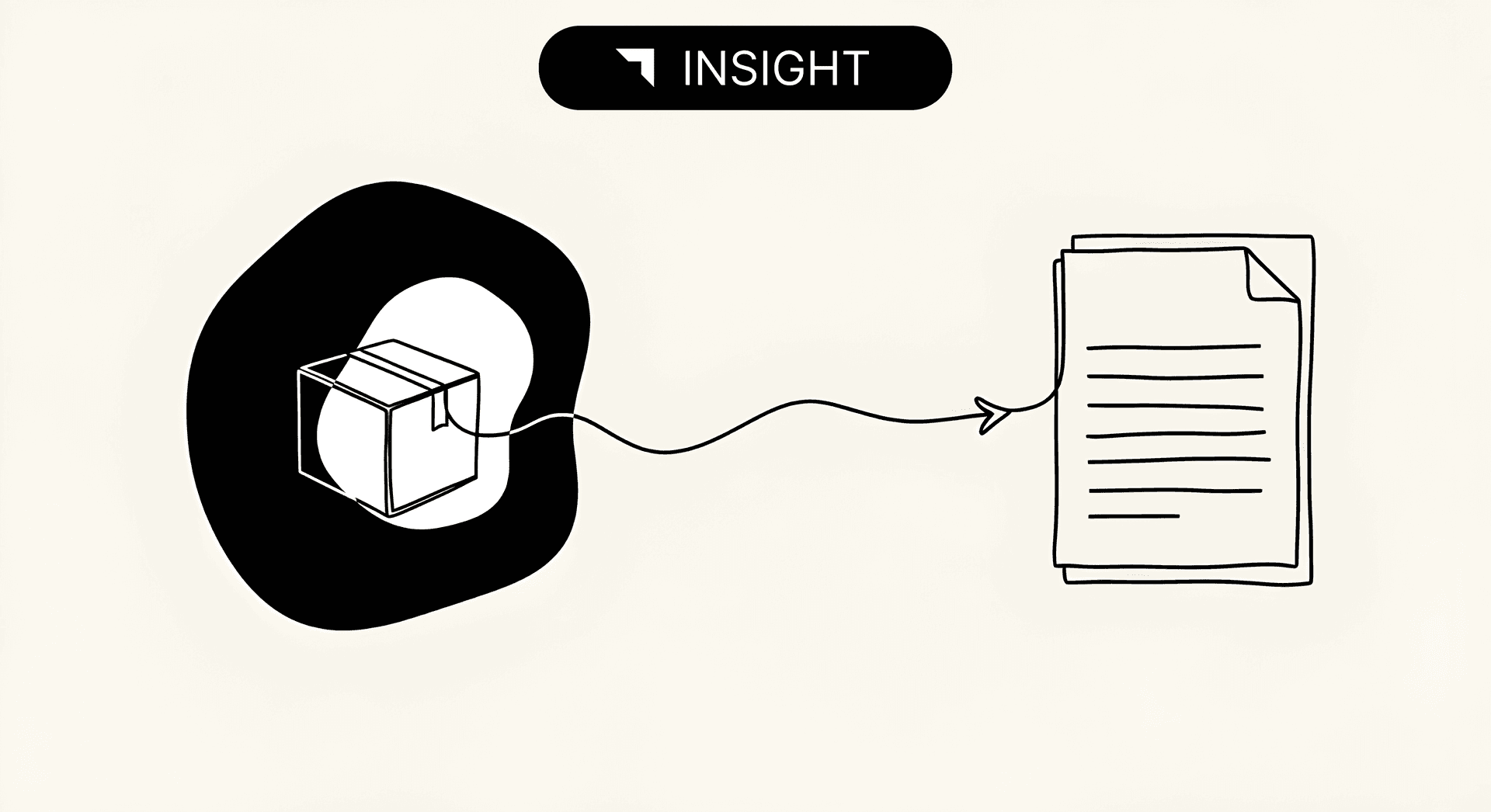
Instead of replacing the system, it provides a structured layer for classification decisions. Products are evaluated independently, multiple headings are considered, and GRIs are applied as part of the decision process. The result is not only an HTS code, but a complete, audit-ready memo.
This changes how classification data is introduced into GTS.
| Step | Without Structured Layer | With Trade Insight AI |
|---|---|---|
| Classification input | Manual or inherited | Evaluated per product |
| Decision logic | Implicit | Explicit and structured |
| Reasoning | Limited or absent | Audit-ready memo |
| Consistency | User-dependent | System-level logic |
The classification result can then be entered into SAP GTS with a clear record of how it was determined.
Operational Impact
Introducing a structured classification layer changes how teams interact with SAP GTS.
Review processes become more efficient because reasoning is already documented. Inconsistencies are easier to identify because decisions follow the same framework. When classifications need to be revisited, the underlying logic is available.
The system of record remains the same, but the quality of the data improves.
Conclusion
Improving classification quality in SAP GTS does not require changing the system. It requires strengthening the decision process that feeds into it.
A structured approach, combined with consistent application of rules and documented reasoning, ensures that classifications are not only correct but defensible. This becomes increasingly important as product volumes grow and compliance requirements become more demanding.
If classification decisions are entering SAP GTS without structured reasoning, inconsistencies will accumulate over time.
You can evaluate how Trade Insight AI structures classification decisions and generates audit-ready outputs directly in the platform here.
FAQ
Does SAP GTS perform HTS classification automatically?
No. SAP GTS relies on classification data that is entered into the system, typically through master data or external processes. It applies classifications to transactions but does not determine them using structured legal reasoning.
Why does classification quality vary across SAP GTS environments?
Variability usually comes from upstream processes. Different teams may apply different logic, reuse existing codes without re-evaluation, or rely on incomplete product descriptions. Without a standardized decision framework, inconsistencies accumulate over time.
Can classification reasoning be stored in SAP GTS?
Some documentation can be stored, but it is typically not structured in a way that reflects the full decision process. This makes it difficult to reconstruct how a classification was determined during audits or internal reviews.
What is the best way to improve classification consistency in SAP GTS?
Consistency improves when classification is treated as a structured process before data enters the system. This includes evaluating each product independently, applying GRIs systematically, and documenting the reasoning behind each decision.
How does Trade Insight AI integrate with SAP GTS workflows?
Trade Insight AI operates upstream of SAP GTS. It produces classification decisions with full reasoning, which can then be introduced into SAP GTS as structured and validated inputs. This improves the quality of the data without requiring changes to the core system.
Is it necessary to replace SAP GTS to improve classification quality?
No. SAP GTS can remain the system of record. Improving classification quality depends on strengthening the decision-making process before classifications are entered into the system.
How does this impact audit readiness?
When classification decisions include structured reasoning and references to applicable rules, they are easier to review and defend. This reduces the effort required during audits and improves confidence in the classification dataset.