HTS Classification for Electronics: Common Errors to Avoid
Electronics are among the most frequently misclassified products in the Harmonized Tariff Schedule (HTS). The category includes thousands of components, subassemblies, and finished goods that often look similar but fall under very different tariff provisions.
Small classification mistakes in electronics can lead to incorrect duty payments, delayed shipments, customs penalties, and compliance exposure during audits. For importers dealing with semiconductors, printed circuit boards, power supplies, and consumer electronics, classification accuracy is not just a paperwork issue. It is a critical part of trade compliance.
This guide explains the most common HTS classification errors involving electronic products and outlines practical steps companies can take to avoid them.
Why Electronics Are Difficult to Classify
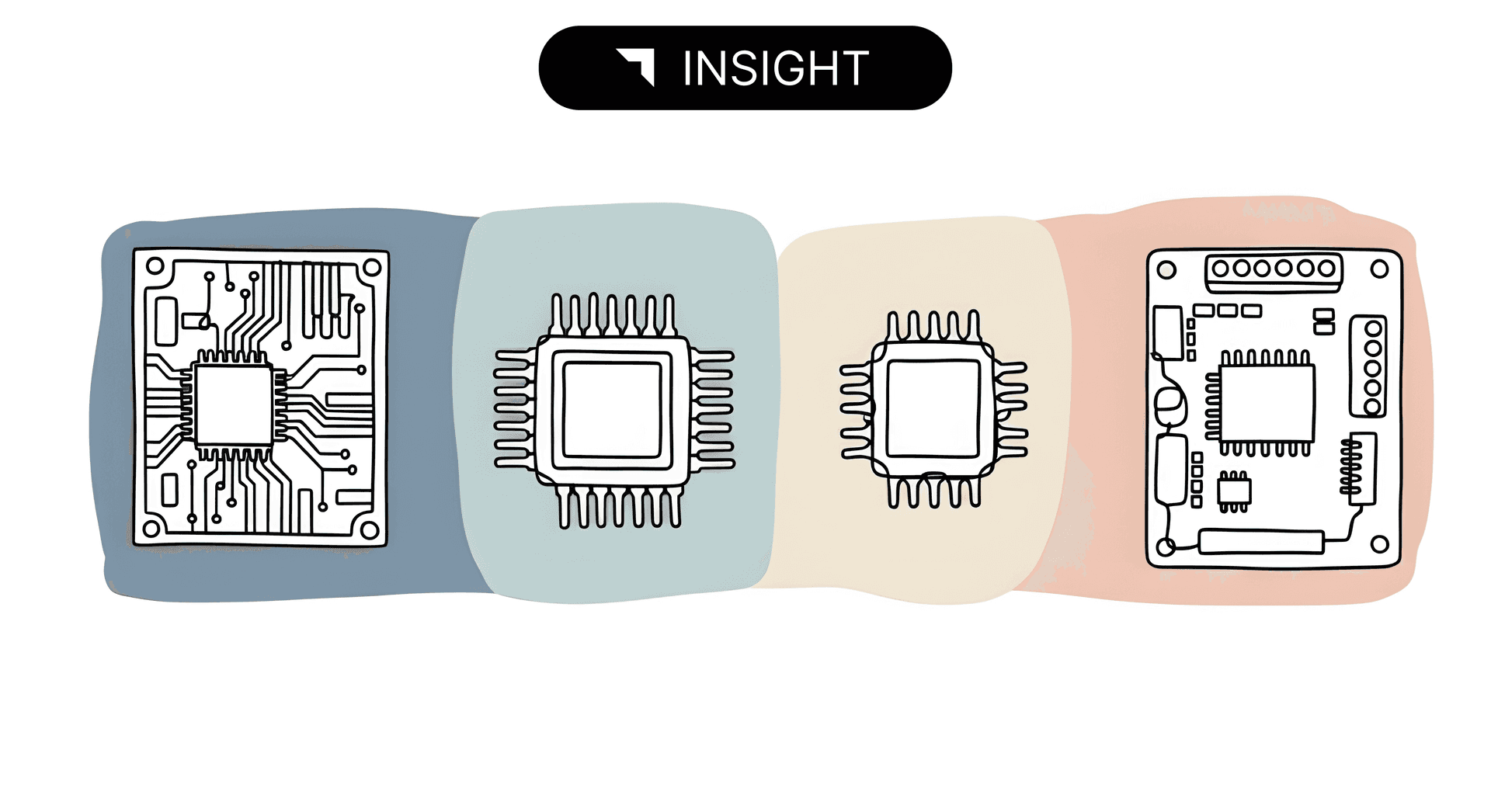
Electronics create classification challenges because the HTS distinguishes between:
- Individual electronic components
- Electronic parts of machines
- Complete electronic devices
- Multi-function products
- Parts designed for specific equipment
Many items used in electronics manufacturing appear interchangeable but fall into entirely different tariff headings depending on function, integration, and intended use.
For example, the HTS differentiates between:
| Product | Possible HTS Heading |
|---|---|
| Printed circuit boards | 8534 |
| Semiconductor devices | 8541 |
| Electronic integrated circuits | 8542 |
| Electrical machines and apparatus | 8543 |
| Parts of automatic data processing machines | 8473 |
Even experienced import teams frequently misinterpret these distinctions.
The Most Common HTS Classification Errors in Electronics
1. Confusing Parts with Finished Devices
One of the most frequent mistakes is classifying components as finished electronic devices.
Many electronics imports are subassemblies or components, not standalone machines.
For example:
| Product | Incorrect Classification | Correct Approach |
|---|---|---|
| PCB assembly used in telecom equipment | Telecom apparatus | Usually classified as a part |
| Power module for a server | Finished power supply | Often classified as a machine part |
| Control board for HVAC equipment | Electrical control equipment | Typically classified as a machine part |
The HTS often requires parts to be classified under the specific heading for parts of that machine, not under the heading describing the final device.
Failure to apply this rule can trigger misclassification findings during customs audits.
2. Ignoring the “Parts Suitable for Use Solely or Principally With” Rule
Many electronics components fall under provisions that apply only when the item is specifically designed for a particular machine or system.
For instance:
- Computer parts fall under 8473
- Parts of electrical machines may fall under 8503
- Parts of measuring instruments may fall under 9033
Importers sometimes classify the item based on what it looks like rather than what it is designed to do.
For example:
A cooling fan designed exclusively for a server rack may not be classified as a generic fan under Chapter 84 if it qualifies as a part of automatic data processing equipment.
Correct classification depends on principal use and design intent, not appearance.
3. Misclassifying Integrated Circuits and Semiconductor Devices
Another common issue involves confusion between:
- Discrete semiconductor devices
- Integrated circuits
- Electronic modules
These fall under different HTS headings.
| Category | HTS Heading | Description |
|---|---|---|
| Semiconductor devices | 8541 | Diodes, transistors, and similar devices |
| Integrated circuits | 8542 | Microprocessors, controllers, memory chips |
| Electronic modules | Often 8543 or machine parts | Assemblies performing specific functions |

$100 in free credit! Zero risk.
Create your free account — no credit card required.
Companies sometimes classify semiconductor modules under 8541 or 8542 even when the product is actually an electronic assembly performing a defined function.
The difference matters because duty treatment, statistical reporting, and trade remedies can vary by heading.
4. Treating Multi-Function Devices as Single-Purpose Equipment
Modern electronics frequently combine several functions into one product.
Examples include:
- Smart home devices
- Industrial control units
- Communication equipment with embedded computing
- IoT sensors with data processing capability
Under the General Rules of Interpretation (GRI), classification must follow the principal function when a device performs multiple roles.
For example:
| Device | Potential Headings | Correct Approach |
|---|---|---|
| Smart speaker | Audio equipment or computing device | Determine the principal function |
| Industrial monitoring system | Measuring instrument or control apparatus | Evaluate the primary function |
| IoT gateway | Telecom equipment or computing equipment | Apply GRI principal function analysis |
Misidentifying the principal function often leads to incorrect classification.
5. Using HS-Level Codes Without Reviewing the Full HTS
Another frequent mistake is relying on HS-level classification (the first six digits) without reviewing the complete U.S. HTS structure.
Electronics classifications often depend on:
- Additional statistical breakouts
- Subheading descriptions
- Notes within Chapter 84 or 85
For example, an HS code may appear correct at the international level but require a different 10-digit HTS classification under U.S. tariff rules.
Companies that stop at the HS level frequently overlook these distinctions.
Practical Steps to Avoid Electronics Classification Errors
Improving classification accuracy for electronics requires a structured process.
Maintain Technical Documentation
Accurate classification depends on detailed product information, including:
- Functional descriptions
- Electrical specifications
- Circuit diagrams
- Integration level (component vs assembly vs finished device)
Without technical data, classification decisions become guesswork.
Identify the Product’s Primary Function
For multi-function electronics, determine:
- The primary purpose of the device
- Whether it performs a defined electrical function
- Whether it is a component of another system
This analysis is essential when applying the General Rules of Interpretation.
Distinguish Components, Modules, and Machines
Electronics products generally fall into three structural categories:
| Category | Example |
|---|---|
| Component | Resistor, capacitor, diode |
| Module or assembly | Power module, communication board |
| Finished device | Router, server, audio system |
Each category is treated differently in the HTS.
Review Chapter Notes and Section Notes
Electronics classification frequently depends on legal notes within:
- Section XVI
- Chapter 84
- Chapter 85
These notes define how parts, assemblies, and machines must be classified.
Skipping these notes is one of the most common causes of incorrect HTS assignments.
Use Binding Rulings for Complex Electronics
When classification is unclear, importers may request binding rulings from U.S. Customs and Border Protection.
These rulings provide an official interpretation of how a specific product should be classified and can significantly reduce compliance risk.
Why Classification Accuracy Matters for Electronics Importers
Electronics imports are often subject to heightened regulatory scrutiny because they intersect with multiple compliance frameworks, including:
- Tariffs and duty calculations
- Section 301 trade measures
- Export control classifications
- Country of origin determinations
Incorrect HTS codes can trigger duty exposure, compliance penalties, and shipment delays.
For companies importing high volumes of electronic components, classification consistency is essential for maintaining defensible trade compliance programs.
FAQ
Why are electronics so frequently misclassified?
Electronics combine complex components, multi-function capabilities, and modular design. Small technical differences can change the applicable HTS heading.
Are printed circuit board assemblies classified as parts?
Often yes, but not always. The correct classification depends on whether the PCB assembly functions as a standalone device or as a part of another machine.
What is the difference between semiconductor devices and integrated circuits?
Semiconductor devices such as diodes and transistors fall under heading 8541, while integrated circuits such as processors and memory chips fall under heading 8542.
Can a multi-function electronic device have more than one HTS code?
No. Each product must have a single classification. When multiple functions exist, the General Rules of Interpretation determine the appropriate heading based on principal function.
When should companies request a binding ruling?
Binding rulings are useful when the classification involves complex assemblies, new technologies, or products that could reasonably fall under multiple headings.