The Lifecycle of a Tariff Classification Decision
Tariff classification decisions are often treated as static. Once a product receives an HS classification, the same code may be reused across thousands of customs declarations, invoices, and internal systems.
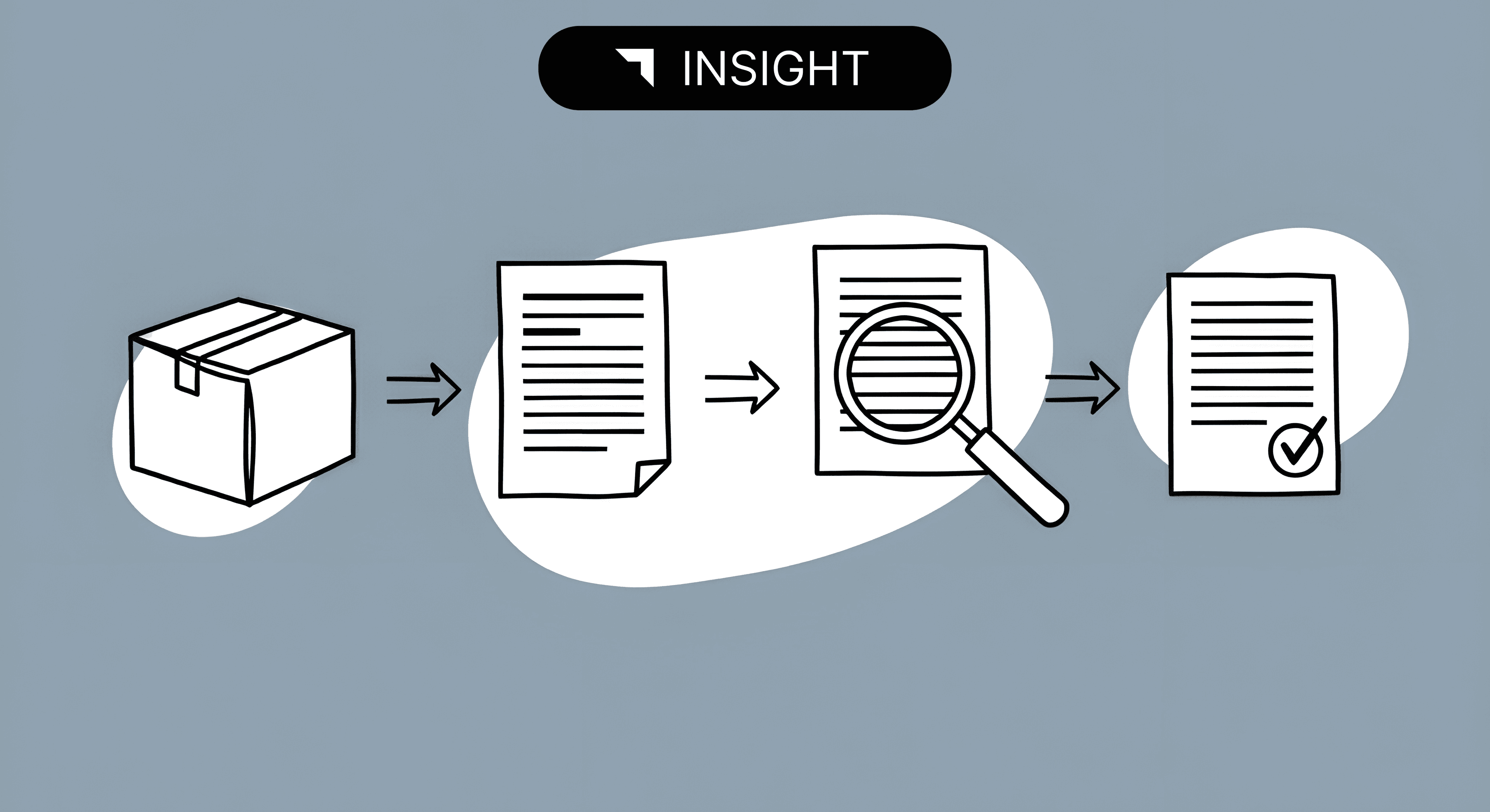
In practice, every tariff classification follows a lifecycle. A classification decision begins with technical product information, progresses through legal interpretation under the Harmonized System, and eventually becomes embedded in operational systems that support international trade.
Over time, the classification may need to be reassessed as products evolve, regulations change, or new customs guidance emerges.
Understanding the lifecycle of a tariff classification decision helps organizations maintain consistent and defensible HS classifications across global operations.
Why Tariff Classification Decisions Matter
Tariff classification determines how customs authorities apply duties, regulatory controls, and trade policy measures to imported goods. Customs administrations rely on the Harmonized Commodity Description and Coding System, commonly referred to as the Harmonized System or HS.
The Harmonized System is maintained by the World Customs Organization and provides the structure used by customs authorities worldwide to classify traded goods. The system organizes products into sections, chapters, headings, and subheadings. Customs authorities apply this structure using the General Rules for the Interpretation of the Harmonized System, which guide how competing headings should be evaluated.
Because HS classification determines duty liability, regulatory requirements, and eligibility for trade programs, customs authorities expect classification decisions to be supported by accurate product information and consistent legal reasoning.
Within companies, these decisions typically move through several stages before becoming part of routine trade operations.
Stage 1: Product Definition
The lifecycle of a tariff classification decision begins with a detailed description of the product.
Accurate HS classification depends on technical information such as:
- material composition
- manufacturing process
- functional purpose
- physical characteristics
- degree of assembly or processing
Small differences in product characteristics can affect how goods are classified within the tariff schedule.
For example, product condition can determine classification. Fresh potatoes fall under a heading covering fresh or chilled vegetables, while frozen potatoes fall under a different heading covering frozen vegetables. The difference in processing state determines how the product fits within the Harmonized System.
Examples such as this demonstrate why precise product information is essential when determining tariff classification.
Stage 2: Legal Interpretation Under the Harmonized System
Once the product is clearly defined, analysts apply the legal framework of the Harmonized System.
The General Rules for the Interpretation of the Harmonized System establish the order in which classification criteria must be applied. Analysts examine section notes, chapter notes, and heading descriptions to determine where the product belongs within the tariff structure.
During this stage, analysts may also consult explanatory guidance issued by the World Customs Organization and review relevant customs rulings where available.
In some situations, multiple headings may appear relevant. The interpretive rules provide guidance for these cases. Rule 3 addresses goods that appear classifiable under more than one heading, including composite goods, mixtures, or goods put up in sets for retail sale. The rule directs analysts to determine the appropriate classification using factors such as essential character or the most specific description.

$100 in free credit! Zero risk.
Create your free account — no credit card required.
This stage produces the legal reasoning that supports the tariff classification decision.
Stage 3: Internal Review of the Classification Decision
Before the classification enters operational systems, many organizations review the decision internally.
Trade compliance teams may verify that the correct interpretive rules were applied and confirm that alternative headings were properly considered. Larger organizations may implement structured review processes to maintain consistency across product categories and business units.
This step helps ensure that the HS classification decision is well supported and defensible if reviewed by customs authorities during an audit or compliance review.
Stage 4: Implementation in Trade and ERP Systems
Once validated, the tariff classification becomes part of operational data.
Most organizations store HS classification codes within product master data in enterprise resource planning systems. From there, the classification may feed multiple downstream systems used for logistics, trade compliance, and customs declaration preparation.
At this stage the classification decision becomes embedded within the company’s trade infrastructure. The same HS code may appear on commercial invoices, customs declarations, and trade reporting systems.
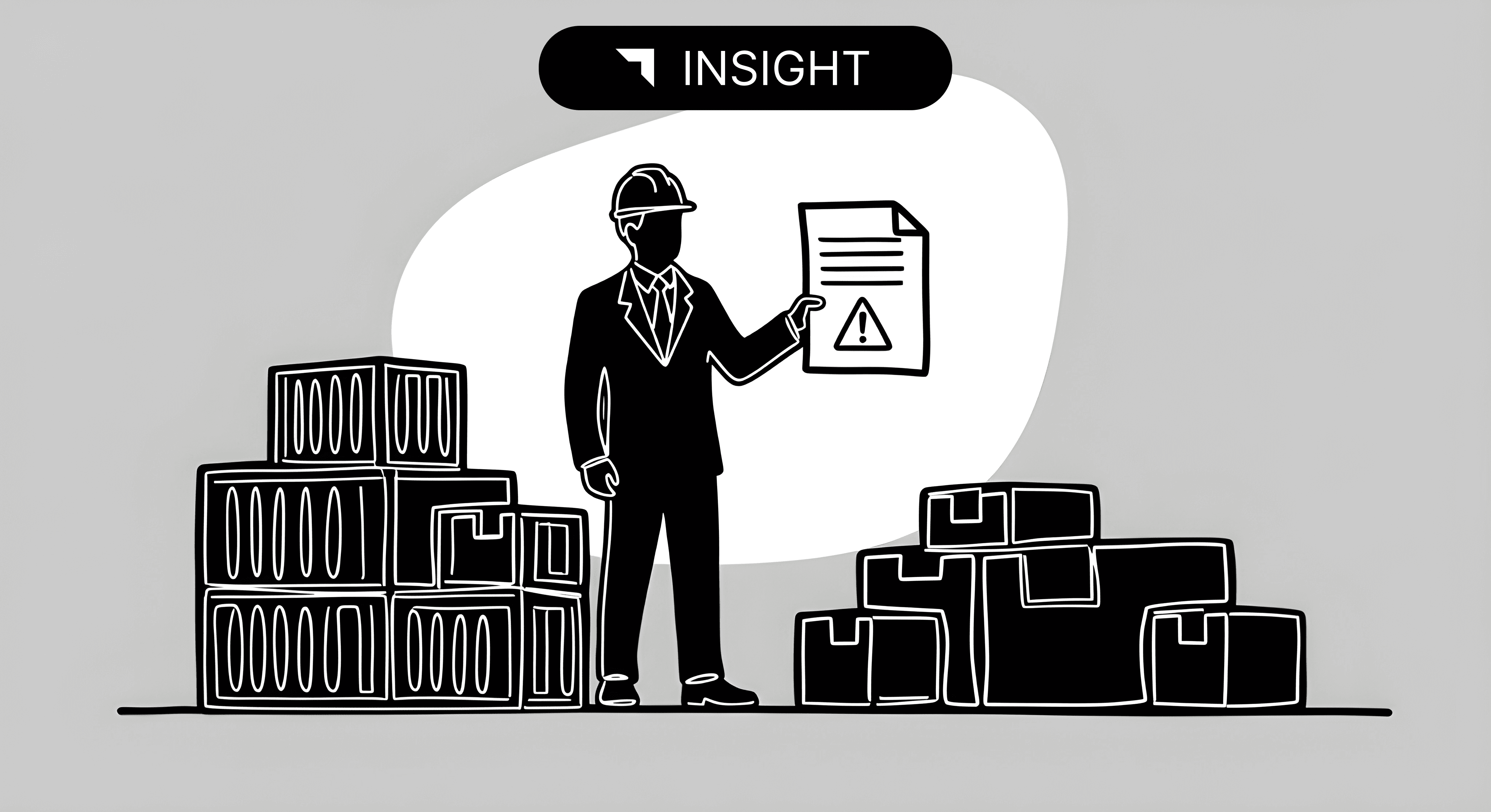
Once implemented in enterprise systems, classification decisions can propagate widely across the organization. A single HS classification stored in product master data may automatically populate customs declarations and documentation for thousands of shipments before the underlying reasoning is revisited.
Stage 5: Operational Use Across the Organization
Over time the HS classification becomes embedded in everyday trade operations.
Logistics teams rely on the code when preparing shipping documentation. Finance teams use tariff classification data to estimate duties and calculate landed costs. Trade compliance teams use the classification to determine regulatory requirements and eligibility for trade programs.
When a classification has been used consistently for a long period, it may also become an internal precedent. New products that appear similar may be assigned the same classification without repeating the original analysis.
While this approach can improve operational efficiency, it increases the importance of the original classification decision and the quality of the underlying analysis.
Stage 6: Reassessment of Tariff Classification
Tariff classification decisions may eventually require reassessment.
Several factors can trigger a review, including:
- product design changes
- updates to the Harmonized System
- new customs rulings or regulatory guidance
- findings from internal compliance reviews or audits
The Harmonized System is periodically updated to reflect developments in international trade and technology. When these updates occur, organizations often review existing HS classifications to confirm that they remain accurate under the revised structure.
When reassessment occurs, the lifecycle begins again with product analysis and legal interpretation.
Why the Classification Lifecycle Matters
Understanding the lifecycle of a tariff classification decision helps organizations manage classification risk more effectively.
Once a classification is implemented in operational systems, the same HS code may be reused across many transactions and business units. If the classification is incorrect or outdated, the impact can extend across a large volume of trade activity.
Organizations that treat tariff classification as an ongoing decision process are better positioned to document their analysis, monitor regulatory changes, and periodically review classifications that have been embedded in operational systems for long periods.
Final Perspective
Tariff classification decisions begin as legal interpretations of the Harmonized System supported by detailed product information. Over time these decisions become embedded in enterprise systems, documentation, and operational workflows throughout the organization.
The HS classification that appears on a customs declaration represents the final stage of a process that begins with product knowledge and continues throughout the operational life of the product in international trade.
Organizations that understand the lifecycle of classification decisions are better equipped to maintain HS classifications that remain accurate, consistent, and defensible as products, regulations, and supply chains evolve.