U.S. Opens Section 301 Probe Into Industrial Overcapacity
The Office of the United States Trade Representative (USTR) has launched a new investigation under Section 301 of the Trade Act of 1974 targeting industrial policies that may be contributing to structural excess capacity in global manufacturing.
The investigation, announced on March 11, 2026, examines whether government policies in multiple economies are artificially expanding industrial production in ways that distort global markets and harm U.S. industries.
While Section 301 investigations have historically focused on intellectual property violations, forced technology transfer, or discriminatory trade practices, this case centers on a different concern: industrial overcapacity created through state-backed industrial policy.
The outcome could eventually lead to new tariffs or other trade measures, depending on the findings of the investigation.
What the Investigation Is Examining
According to the Federal Register notice issued by the USTR, the investigation will assess whether certain foreign industrial policies lead to persistent production levels that exceed market demand.
The U.S. government argues that this type of structural overcapacity can create significant global trade distortions. When production capacity significantly exceeds domestic consumption, excess output often enters international markets at highly competitive prices, increasing pressure on manufacturers in other countries.
The policies under review include a range of government interventions that may encourage sustained overproduction, including:
- state subsidies for industrial expansion
- preferential or below-market financing
- state ownership or direction of major industrial firms
- regulatory structures that prioritize export growth
- labor, environmental, or financial systems that lower production costs artificially
USTR is particularly interested in situations where government policy leads to capacity expansion that continues even when global demand does not justify additional output.
In those scenarios, global markets can experience persistent supply imbalances, affecting pricing and competitiveness across entire industries.
Countries and Industrial Systems Under Review
The investigation references a number of economies where structural excess capacity may exist across major industrial sectors.
These include China, the European Union, Japan, India, South Korea, Mexico, Vietnam, Taiwan, Thailand, Malaysia, Indonesia, Bangladesh, Cambodia, Singapore, Switzerland, and Norway.
The sectors cited as examples of potential excess capacity span much of the modern industrial economy, including:
- steel and aluminum
- automobiles and transportation equipment
- batteries and energy storage
- solar technologies
- semiconductors and electronics
- robotics and advanced machinery
- chemicals, plastics, and cement
- glass and industrial materials
The breadth of industries listed suggests the investigation is not limited to one sector but instead addresses what U.S. policymakers describe as systemic industrial overcapacity across multiple supply chains.
Why Overcapacity Has Become a Trade Policy Issue
Concerns about industrial overcapacity are not new. The United States and other major economies have raised similar issues in the past regarding global steel production and solar panel manufacturing.
What makes this investigation notable is the scale and scope of the issue now under review.
The Federal Register notice highlights several examples cited by USTR to illustrate the problem.
China’s goods trade surplus exceeded $1.2 trillion in 2025, representing a large share of global trade surpluses. Other countries cited in the notice show signs of capacity expansion that may significantly exceed domestic demand in sectors such as cement and heavy manufacturing.

$100 in free credit! Zero risk.
Create your free account — no credit card required.
In some cases, national industries have reportedly operated for extended periods well below full capacity, suggesting that industrial investment continues even when production facilities are underutilized.
From a policy perspective, the concern is that excess capacity created through industrial policy can lead to sustained export pressure in global markets.
This dynamic can distort prices, reshape supply chains, and trigger defensive trade policies such as tariffs, safeguard measures, or countervailing duties.
The Section 301 Mechanism
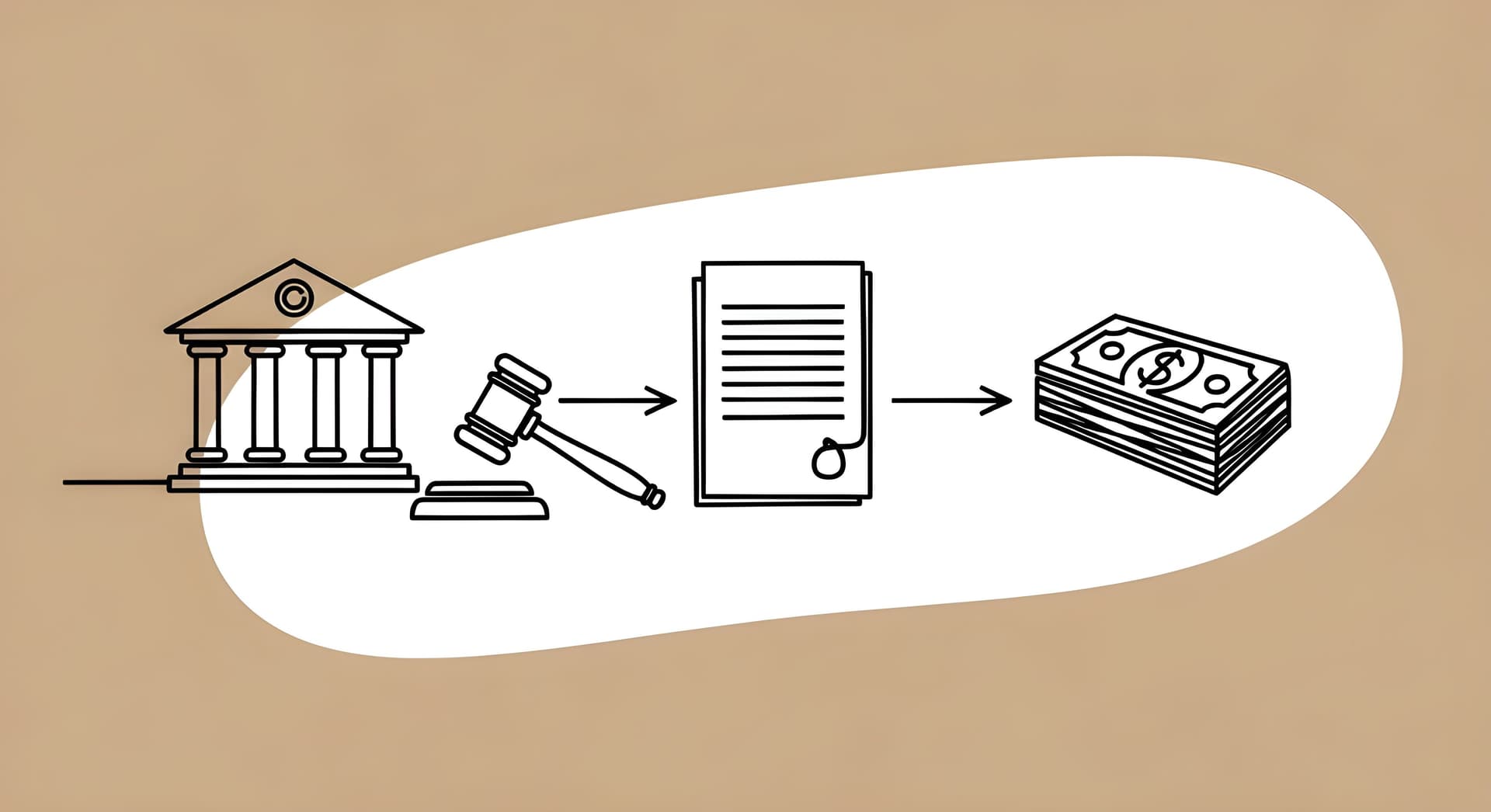
Section 301 of the Trade Act of 1974 allows the U.S. government to investigate foreign practices that may be unreasonable, discriminatory, or burdensome to U.S. commerce.
If the USTR determines that such practices exist, the statute authorizes the United States to impose trade measures intended to address the harm.
The most prominent example of this mechanism in recent years was the Section 301 investigation into China’s technology transfer and intellectual property practices, which resulted in tariffs on hundreds of billions of dollars in imports beginning in 2018.
The current investigation could potentially lead to similar actions, although that outcome would depend on the conclusions reached during the investigative process.
What Happens Next
The Federal Register notice outlines the formal timeline for the investigation.
Public comments will be accepted beginning March 17, 2026, with a submission deadline of April 15, 2026.
A public hearing is scheduled for May 5, 2026 at the U.S. International Trade Commission in Washington, D.C., where companies, industry associations, and other stakeholders will have the opportunity to present testimony.
The process allows the USTR to gather evidence from market participants, economists, and policy experts before determining whether further action is warranted.
Given the number of industries and economies referenced in the notice, the investigation is likely to attract significant participation from both domestic manufacturers and international stakeholders.
Potential Implications for Global Trade
Although the investigation is still at an early stage, it signals growing concern within U.S. trade policy circles about the impact of large-scale industrial policy on global markets.
Over the past decade, governments across the world have expanded industrial programs designed to strengthen domestic manufacturing in strategic sectors such as semiconductors, electric vehicles, batteries, and clean energy technologies.
These programs can reshape global supply chains, sometimes creating overlapping investments and expanded production capacity across multiple regions.
If the USTR concludes that certain policies contribute to structural overcapacity and harm U.S. industry, the investigation could lead to new tariffs, trade remedies, or other import restrictions.
For companies operating in global supply chains, developments in the investigation may influence sourcing strategies, cost structures, and regulatory compliance requirements in the coming years.
Because Section 301 actions can apply to broad categories of imports, they have historically produced ripple effects across multiple industries and jurisdictions.
FAQ
What is a Section 301 investigation?
A Section 301 investigation is a trade enforcement process authorized under the U.S. Trade Act of 1974. It allows the U.S. government to investigate foreign policies or practices that may harm U.S. commerce and to impose trade measures if those practices are deemed unfair.
Why is the U.S. investigating industrial overcapacity?
U.S. policymakers argue that certain government policies abroad may artificially expand industrial production beyond market demand. When excess production enters global markets, it can depress prices and affect competitiveness for manufacturers in other countries.
Which industries are most likely to be affected?
Industries cited in the investigation include steel, aluminum, automotive manufacturing, batteries, solar technologies, semiconductors, electronics, chemicals, cement, and other industrial materials.
What could happen after the investigation?
If the USTR concludes that foreign policies create unfair trade conditions, the United States could impose tariffs, import restrictions, or other trade measures under Section 301 authority.
When will the investigation move forward?
Public comments will be accepted starting March 17, 2026, with a deadline of April 15, 2026. A public hearing is scheduled for May 5, 2026 as part of the investigative process.