When Classification Changes Without the Product Changing
One of the most confusing outcomes in customs compliance is a classification change that occurs even though the product itself has not changed. From an importer’s perspective, this feels arbitrary. From a legal perspective, it is often entirely predictable.
HTS classification is not frozen in time. It is a legal interpretation applied to facts within a regulatory framework that evolves. When that framework shifts, classification outcomes can shift with it, even if the product remains identical.
This article explains why classification changes without product changes occur, how they arise, and why they are a recurring focus in audits.
Classification Is an Interpretation, Not a Property of the Product
A product does not inherently “carry” an HTS code. The code is the result of an interpretive process that applies the legal text of the tariff to the facts of the product at a given moment.
That process depends on:
- The wording of headings and subheadings
- Section and chapter notes
- The General Rules of Interpretation
- Administrative and judicial interpretation
When any of these inputs change, the classification outcome can change as well.
Changes in Interpretation Over Time
Even without changes to the HTS text itself, classification outcomes can evolve due to shifts in how CBP interprets existing provisions.
These shifts commonly occur through:
- New CBP rulings that clarify or narrow interpretations
- Revocation or modification of prior rulings
- Changes in enforcement focus
- Court decisions that reinterpret tariff language
A classification that was reasonable under prior interpretation may no longer align with current CBP analysis.
The Role of Legal Notes and Exclusions
Legal notes are often overlooked once a classification is established. Over time, this becomes a risk.
If CBP revisits how a legal note applies to a category of goods, products previously classified under a heading may be excluded without any change to the heading text itself. In these situations, the classification changes not because the product changed, but because the legal constraint was reevaluated.
Audits frequently uncover this type of drift.
Administrative and Judicial Decisions
Court decisions and administrative guidance can reshape classification logic across entire product categories.

$100 in free credit! Zero risk.
Create your free account — no credit card required.
When a court clarifies the meaning of a tariff term or rejects a long standing interpretation, CBP must align its practice accordingly. Importers who do not monitor these developments often continue using classifications that are no longer defensible.
This disconnect is a common source of audit findings.
Product Context Changes Without Product Changes
Sometimes the product stays the same, but its classification context does not.
Examples include:
- A product previously classified as a complete article later treated as a part due to reinterpretation of function
- Items once considered accessories later excluded from parts provisions
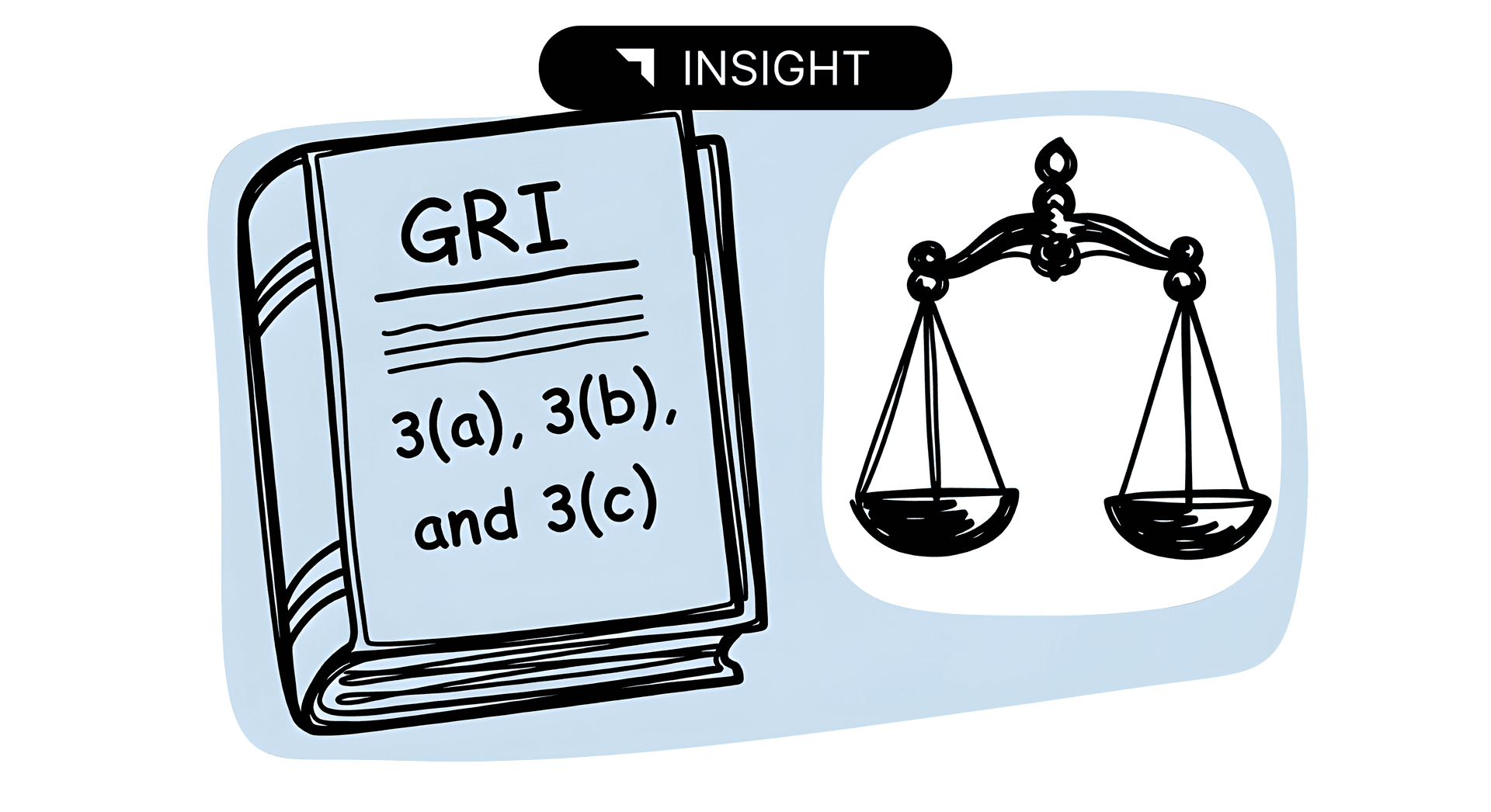
- Sets previously classified under GRI 3(b) later required to be split due to refined interpretation of “specific activity”
In each case, the physical product is unchanged. The legal framing is not.
Reliance on Historical Classifications
One of the most frequent audit issues arises from the assumption that a long used classification is inherently correct.
Classification decisions often become embedded in systems, broker instructions, and internal documentation. Over time, the rationale behind the decision is lost, and the classification persists without review.
Audits challenge this inertia. When asked to justify a classification, importers often discover that the original reasoning no longer holds.
Why Audits Focus on These Changes
Auditors are not looking for novelty. They are looking for indicators of control.
Classification changes without product changes signal potential weaknesses in:
- Monitoring of legal developments
- Review and governance processes
- Documentation discipline
When an importer cannot explain why a classification remains valid today, the classification becomes vulnerable.
Managing Classification Drift
Classification drift is not caused by carelessness. It is caused by treating classification as a static exercise rather than a managed process.
Strong classification programs mitigate this risk by:
- Periodically reassessing key classifications
- Tracking relevant rulings and decisions
- Documenting the rationale behind classification decisions
- Reviewing classifications when interpretations evolve
These practices focus on control, not perfection.
The Practical Takeaway
A change in classification without a change in product is not a contradiction. It is a reflection of how tariff law operates.
HTS classification responds to interpretation, not just to physical characteristics. Programs that recognize this reality are better positioned to manage audit risk and maintain defensible classifications over time.
Understanding when and why classifications change is essential to maintaining control in an evolving regulatory environment.