Why Scaling Headcount Rarely Solves Classification Problems
When classification problems persist, a common response is to add more people. Additional analysts, reviewers, or external resources are often seen as the most direct way to reduce backlogs, improve accuracy, or keep up with growing volumes. While staffing can provide short-term relief, scaling headcount alone rarely resolves the underlying causes of classification challenges.
Classification problems are typically systemic rather than purely capacity-driven. Without addressing how classification work is structured, governed, and supported, increasing headcount may increase activity without meaningfully reducing risk.
Classification Challenges Are Usually Structural
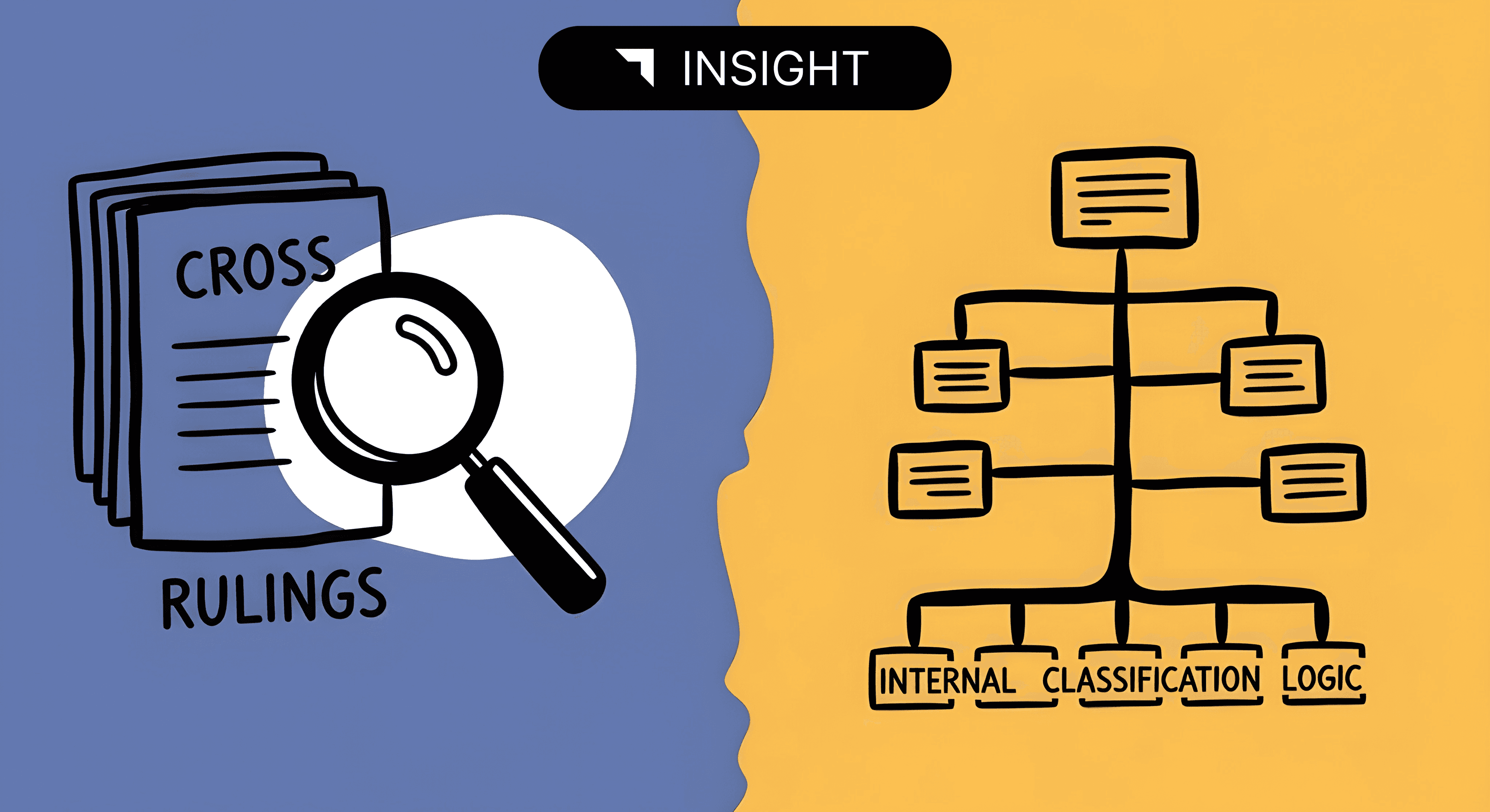
Tariff classification is not only a technical task. It is a decision-making process that depends on product data quality, legal interpretation, documentation, and consistency over time. When classification problems arise, they are often rooted in unclear inputs, fragmented processes, or weak governance rather than insufficient staffing.
Adding resources to a process that lacks clear decision logic or reliable product information can result in more classifications being produced, but not necessarily better ones. In these situations, additional headcount absorbs inefficiencies rather than correcting them.
Volume Is Not the Same as Control
Organizations often associate classification issues with volume. As product portfolios expand or transaction counts increase, the assumption is that more classifiers are needed to keep pace. Volume does matter, but it is not the only driver of risk.
Without standardized processes, consistent documentation, and defined escalation paths, higher staffing levels can introduce variability rather than control. Different individuals may apply judgment differently, especially when guidance is incomplete or informal. Over time, this can lead to inconsistency across products, regions, or business units.
Knowledge Concentration and Dependency Risks Remain

$100 in free credit! Zero risk.
Create your free account — no credit card required.
Scaling headcount does not automatically reduce dependency risk. In many organizations, classification knowledge remains concentrated in a small number of experienced individuals, even as teams grow. New resources often rely heavily on informal training or inherited decisions.
If processes are not designed to transfer knowledge effectively, adding people can increase reliance on key individuals rather than reduce it. When those individuals are unavailable, classification quality and continuity may still be at risk.
Process Design Matters More Than Team Size
Effective classification depends on how decisions are made, reviewed, and sustained over time. Clear classification logic, defined review triggers, and accessible documentation enable consistent outcomes regardless of who performs the work.
When these elements are missing, headcount growth tends to shift problems rather than solve them. Backlogs may move downstream, review cycles may lengthen, and corrections may increase. These symptoms often indicate process gaps rather than staffing shortages.
Governance and Escalation Are Not Solved by Staffing
Classification questions often require cross-functional input, particularly when product design, sourcing, or regulatory interpretation is involved. Without clear governance, additional staff may lack authority to resolve complex issues, leading to delays or inconsistent decisions.
Escalation paths, decision ownership, and management oversight are structural features. They cannot be created through staffing alone. In some cases, adding resources without addressing governance can increase uncertainty about who is responsible for final decisions.
When Headcount Increases Do Help
This does not mean that staffing levels are irrelevant. Additional resources can be effective when they support a well-defined process, reliable inputs, and clear accountability. In those cases, headcount increases enhance capacity rather than compensate for structural weaknesses.
The key distinction is whether staffing is being used to scale a controlled process or to mask underlying inefficiencies.
Conclusion
Classification problems are rarely solved by headcount alone. While additional resources can address workload pressures, they do not resolve issues related to process design, documentation, governance, or decision consistency.
For trade leaders, the more durable solution lies in understanding how classification decisions are made and sustained. When processes are clear and controls are strong, staffing becomes a scaling decision rather than a corrective measure. This approach supports more consistent classification outcomes and more resilient trade compliance over time.