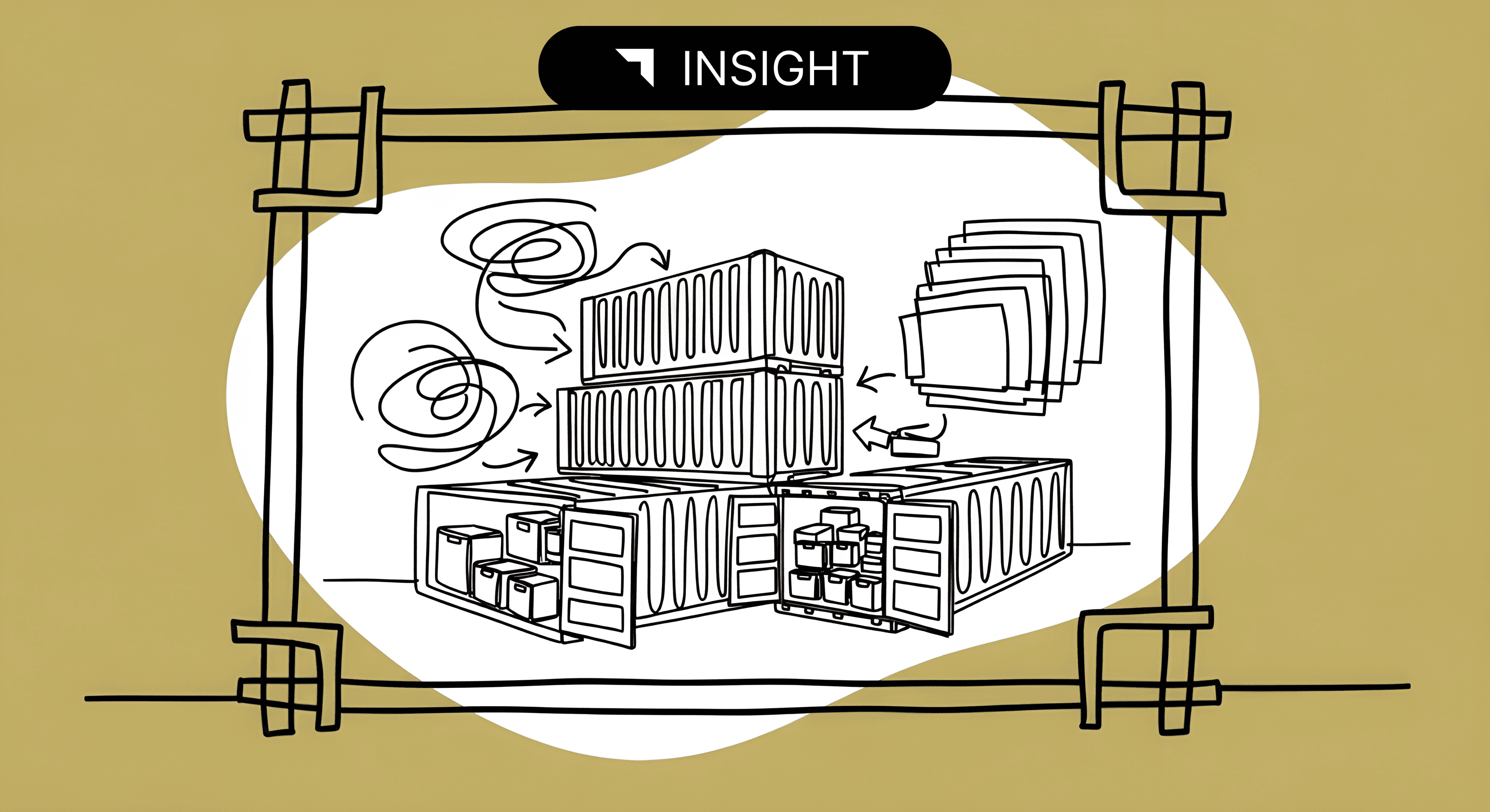
Reframing Trade Compliance as a Control Function
Trade compliance is often described in terms of obligation. It is viewed as a set of rules that must be followed, filings that must be made, and risks that must be avoided. While this framing reflects part of the reality, it can reduce the broader role trade compliance plays within an organization.
When trade compliance is understood primarily as a regulatory requirement, it is frequently positioned as a downstream or reactive function. Reframing trade compliance as a control function offers a more accurate and useful perspective, one that emphasizes oversight, consistency, and risk management rather than task completion alone.
Beyond Rules and Transactions
At its core, trade compliance extends beyond knowledge of the rules. Its role is to ensure that decisions with customs, trade remedy, and regulatory implications are made through defined and repeatable processes.
Many compliance activities occur at the transaction level, such as classification, valuation, and licensing. However, the underlying risk often arises earlier, when products are designed, suppliers are selected, or sourcing strategies change. A control-oriented approach reflects that compliance outcomes depend on how decisions are made earlier in the process, rather than only on how transactions are executed.
What It Means to Function as a Control
Rather than simply executing tasks, a control function provides guardrails for decision-making and for how risks are surfaced, escalated, and resolved.
When trade compliance functions as a control, it provides structure around decision-making. This includes defining when review is required, who has authority to decide, and how exceptions are handled. It also involves creating visibility so that leadership understands where trade-related risks exist and how they are being managed.
This perspective shifts the focus from individual transactions to the systems and processes that produce them.
The Limits of a Reactive Compliance Model

$100 in free credit! Zero risk.
Create your free account — no credit card required.
In many organizations, trade compliance is engaged after decisions have already been made. Products are classified after design is finalized. Origin is assessed after sourcing is locked in. Licensing questions arise only when shipments are delayed.
While this approach can meet minimum regulatory requirements, it limits the function’s ability to prevent issues rather than correct them. Reactive models tend to rely heavily on manual intervention, individual expertise, and after-the-fact fixes. Over time, this can create inconsistency and obscure where true risk resides.
Control, Visibility, and Consistency
Reframing trade compliance as a control function emphasizes visibility and consistency across the organization.
Visibility means that trade-related decisions are traceable and understandable. Classification logic, origin determinations, and licensing assumptions are documented and accessible. Changes in products or sourcing prompt review through defined mechanisms rather than informal communication.
Consistency means that similar decisions are handled in similar ways, regardless of who is involved or where the activity occurs. This does not eliminate judgment, but it ensures that judgment is applied within a structured framework rather than on an ad hoc basis.
Governance as a Core Element
A control function depends on governance. Clear ownership, defined escalation paths, and management oversight allow trade compliance to operate effectively beyond individual transactions.
Governance ensures that complex or high-impact decisions receive appropriate attention and that unresolved issues do not remain hidden. It also clarifies accountability, reducing reliance on informal networks or individual discretion.
Without governance, even technically accurate compliance activities can become fragmented and difficult to sustain.
Conclusion
Reframing trade compliance as a control function changes how it is integrated into the organization. It emphasizes early involvement, cross-functional coordination, and structured decision-making, rather than downstream correction alone.
This approach does not increase regulatory burden. It makes trade risk easier to manage by aligning compliance activities with how decisions are made and reviewed in practice.
Viewed this way, trade compliance is more than a set of regulatory tasks. It is a control function that shapes how trade-related decisions are governed across the organization. By moving beyond reactive responses, organizations can achieve more consistent, visible, and resilient oversight of trade risk without altering their underlying regulatory obligations.