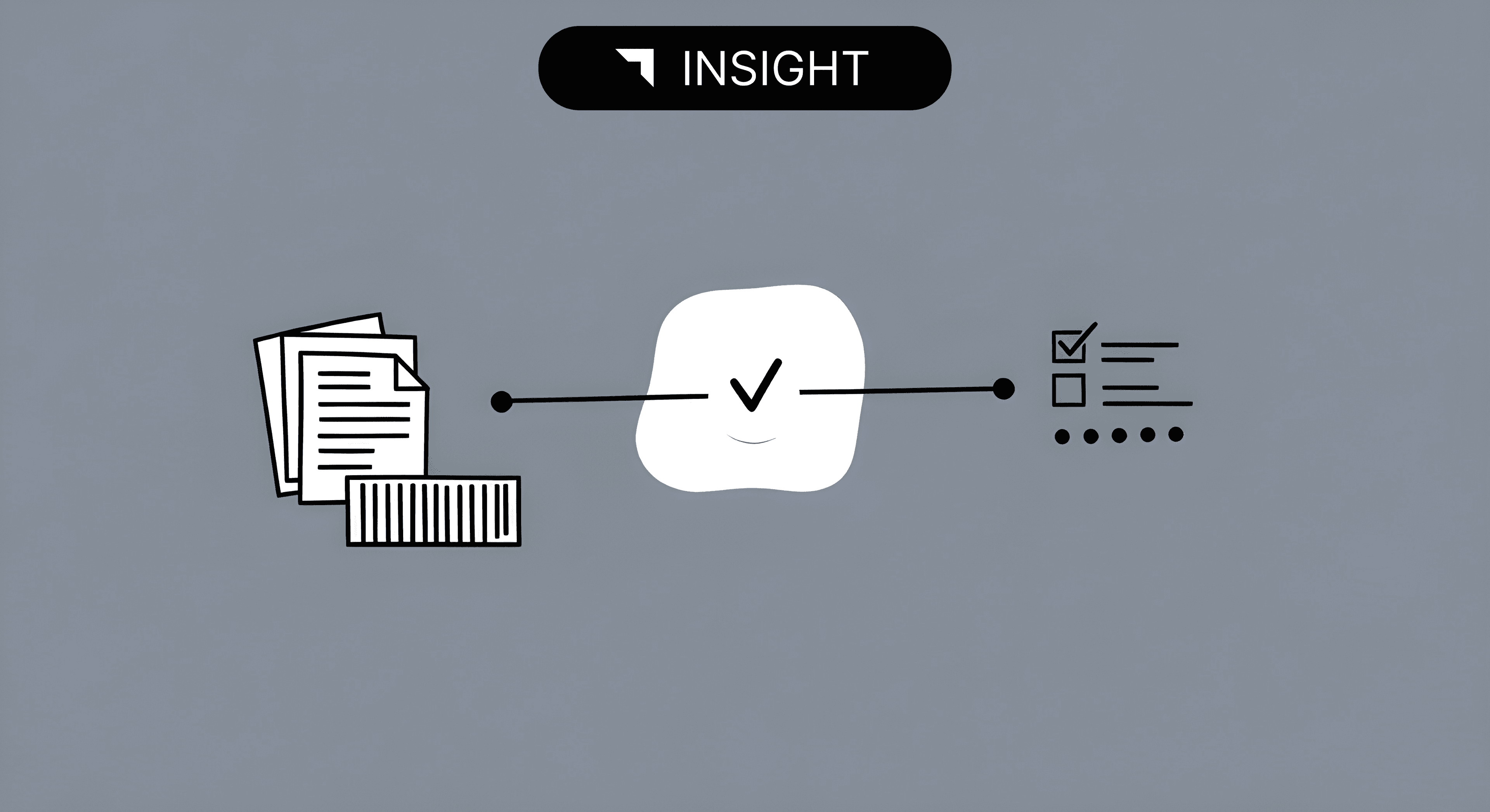
What Metrics Actually Demonstrate Control in Classification Programs
Most classification programs track performance metrics. Accuracy rates, throughput, and turnaround time are common dashboards. These numbers describe output, but they do not necessarily show whether a program is under control.
Control is about stability and visibility. A system can process decisions quickly and appear accurate while still carrying hidden risk. Mature programs measure not only results, but how decisions vary across products, reviewers, and time. That variation is where risk accumulates.
In AI assisted classification environments, the right metrics help organizations see how automated and human decisions behave under real operating conditions.
Why Performance Metrics Are Not Enough
Performance metrics answer narrow questions. They show how many decisions are processed and how often they match a reference answer. What they often miss is how evenly that performance is distributed.
A program can report high average accuracy while struggling in specific product families. Throughput can look strong even as decision standards drift across teams. These patterns rarely appear in top line dashboards.
Control requires looking beyond averages. It requires examining where decisions cluster, diverge, or require intervention. Those signals reveal how stable the classification process actually is.
Measuring Variation as a Signal of Control
Metrics that demonstrate control focus on variation rather than isolated outcomes.
Override activity is one example. Concentrated overrides in certain categories often indicate pressure points in decision logic or evidence quality. Sudden changes in override patterns can signal drift in products or documentation.

$100 in free credit! Zero risk.
Create your free account — no credit card required.
Consistency checks provide another view. Comparing how similar products are classified across reviewers and time highlights whether decision standards are applied uniformly. Large variation suggests unclear guidance or uneven governance.
Evidence quality also plays a role. When classifications rely on incomplete or inconsistent documentation, variation increases. Tracking gaps in supporting evidence helps organizations understand where decisions are fragile.
Together, these signals describe how the system behaves under real conditions. They show whether the classification process is stable or whether risk is accumulating in specific areas.
What Control Looks Like in Practice
Programs that demonstrate strong control treat measurement as an ongoing governance activity. They review override trends, sample decisions for consistency, and monitor areas where evidence is weak or changing.
In AI assisted environments, these practices extend to how automated recommendations are supervised. Metrics help teams understand where automation performs reliably and where additional review is needed.
The goal is not to eliminate variation entirely. Some variability is unavoidable in complex classification work. The goal is to make variation visible and manageable.
Conclusion
Metrics that demonstrate control focus on how decisions vary, not just how often they are correct. Override patterns, consistency checks, and evidence signals provide a practical view of system stability.
In AI assisted classification programs, these measures support disciplined governance. They help organizations detect emerging risk and reinforce shared decision standards.
When programs measure variation as carefully as they measure performance, they build classification systems that are more predictable, more transparent, and easier to manage at scale.
Related News
February 9, 2026
Overrides Are Signals, Not Exceptions: What Override Patterns Reveal About Classification Systems
Read more →
October 30, 2025
The Fine Line Between Tariff Engineering and Evasion
Read more →
December 9, 2025