Why Some Tariff Classification Decisions Age Better Than Others
Tariff classification decisions are often expected to remain stable over time. Once an HS classification is assigned to a product, that code may be reused across customs declarations, invoices, and trade systems for many years.
In practice, not all classification decisions age in the same way. Some remain accurate and defensible over long periods, while others require reassessment as products, regulations, and trade environments evolve.
Understanding why certain tariff and customs classification decisions remain stable while others degrade is essential for maintaining consistent and reliable classification programs.
The Stability of Tariff Classification Decisions
At a technical level, tariff classification is based on the structure of the Harmonized System and the application of the General Rules for the Interpretation. When a classification decision is grounded in clear product characteristics and well-defined tariff headings, it is more likely to remain stable over time.
However, classification decisions are not made in isolation. They depend on product specifications, regulatory interpretation, and operational context. Changes in any of these factors can affect whether a classification remains valid.
As a result, the longevity of a classification decision often reflects the quality and completeness of the original analysis.
Strong Product Definition and Classification Longevity
Classification decisions that age well typically begin with strong product definition.
When a product is described in detail, including material composition, function, and manufacturing characteristics, the classification analysis can be closely aligned with the structure of the Harmonized System.
For example, a product classified based on clearly defined material composition, such as a textile made entirely of synthetic fibers, is more likely to remain stable over time. In contrast, a product described only as a “technical fabric” without detailed composition may be more difficult to classify consistently as product variations are introduced.
By contrast, classifications based on limited or ambiguous product data are more vulnerable to becoming outdated as additional information becomes available or product variations are introduced.
Alignment With the Structure of the Harmonized System
Classification decisions that closely follow the logic of the Harmonized System tend to remain stable.
When analysts carefully consider section notes, chapter notes, and heading descriptions, the resulting classification is more likely to reflect the intended scope of the tariff schedule.
Decisions that rely heavily on analogy or informal comparisons, rather than structured interpretation, may be less durable over time.
For example, assigning a classification because a product appears similar to another item without fully analyzing the relevant headings can lead to inconsistencies as product lines expand.
The Role of Documentation in Long-Term Stability
Well-documented classification decisions are more likely to age well.
When the reasoning behind a tariff or customs classification decision is clearly recorded, it becomes easier to reassess the decision in light of new information or regulatory developments.
Documentation allows trade compliance teams to understand:
- which product characteristics were considered
- which tariff headings were evaluated
- how the General Rules for the Interpretation were applied

$100 in free credit! Zero risk.
Create your free account — no credit card required.
Without this documentation, organizations may rely on the classification code alone, making it difficult to determine whether the original reasoning still applies.
Regulatory and Interpretive Stability
Some classification decisions age better simply because the regulatory environment around them remains stable.
Products that fall under well-established headings with clear interpretive guidance are less likely to be affected by changes in customs interpretation.
By contrast, products in emerging or rapidly evolving categories may be subject to:
- new customs rulings
- updated explanatory guidance
- revisions to the Harmonized System
For instance, classification decisions involving multifunction electronic devices have historically required more frequent reassessment as customs authorities refine how such products are interpreted under the Harmonized System. By contrast, products falling under long-established headings with well-defined scope tend to experience fewer changes in classification treatment.
The Impact of Operational Use and Precedent
Classification decisions that are widely reused across product catalogs can either strengthen or weaken over time. When a well-supported classification is applied consistently to similar products, it can reinforce stability across the classification program.
However, when a classification is reused without verifying that new products share the same relevant characteristics, the original decision may gradually drift away from its legal basis.
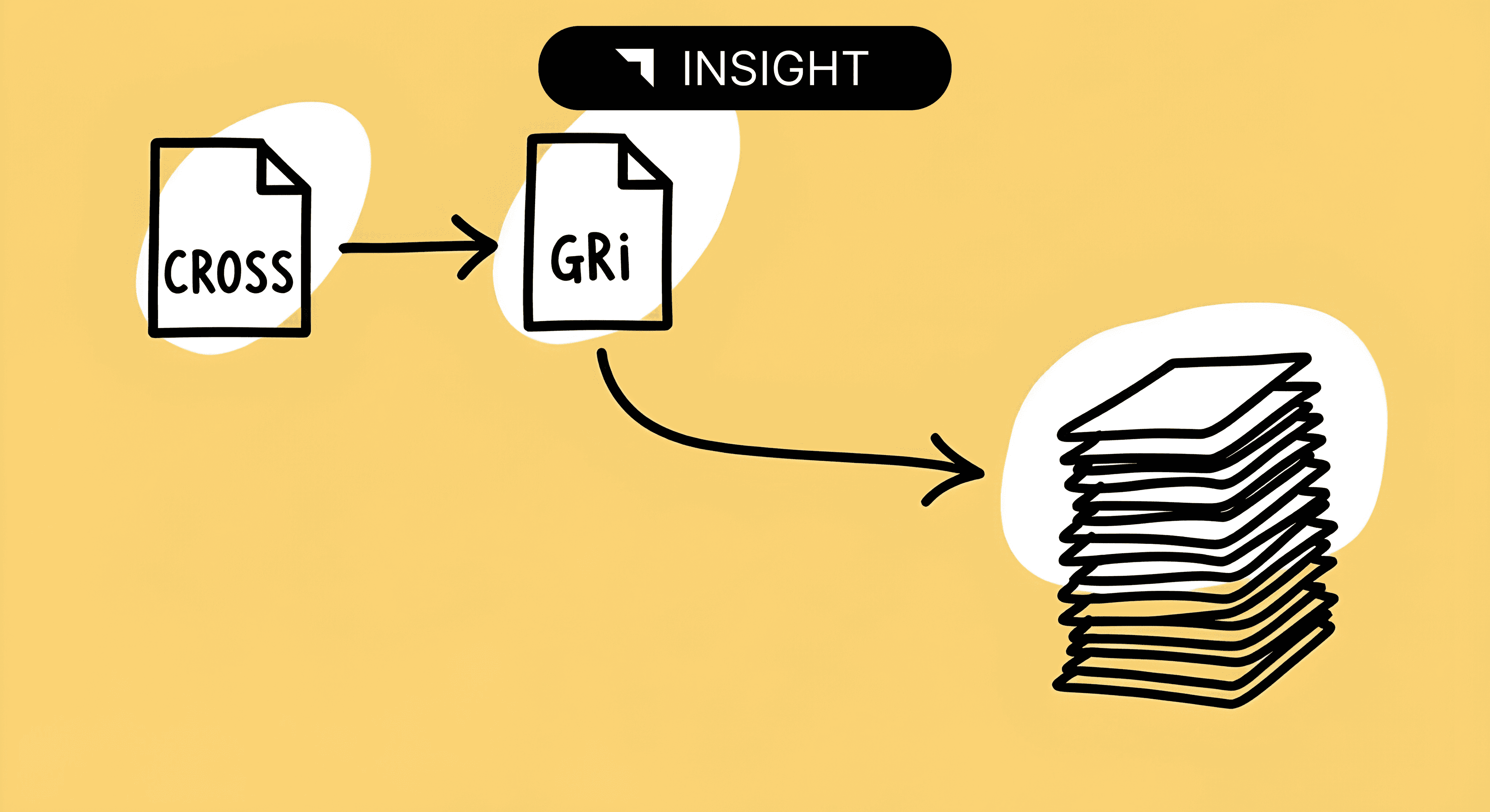
As these decisions propagate through enterprise systems, the stability of a single classification can influence not only individual products but entire product families across multiple markets.
The Role of Classification Systems and Data
In large organizations, classification decisions are stored and reused through classification systems and product master data.
Over time, these systems form a structured classification dataset that supports customs classification decisions across the organization. These datasets enable teams to evaluate relationships between products and maintain consistency across classification outcomes.
Classification decisions that are supported by structured data, clear relationships between products, and documented reasoning are more likely to remain consistent and defensible.
As classification catalogs grow, organizations increasingly rely on structured classification data and analytical tools to monitor how decisions evolve and to identify when reassessment may be required.
Why Some Decisions Degrade Over Time
Classification decisions tend to degrade when:
- product definitions were incomplete at the time of classification
- the original reasoning was not documented
- the classification was based on informal comparison rather than structured analysis
- regulatory interpretation has evolved since the original decision
- the classification has been applied to products that are not truly comparable
These factors can cause classification decisions to diverge from the legal structure of the Harmonized System over time.
Maintaining Classification Decisions That Age Well
Organizations that maintain durable tariff classification decisions typically focus on:
- detailed and accurate product descriptions
- structured application of the Harmonized System
- clear documentation of classification reasoning
- periodic review of classifications used across multiple products
- monitoring regulatory and interpretive developments
These practices help ensure that classification decisions remain aligned with both product characteristics and customs interpretation over time.
Final Perspective
Tariff classification decisions are expected to support consistent customs treatment across the life of a product. However, their long-term reliability depends on how they were originally developed and how they are maintained.
Some classification decisions remain stable because they are grounded in clear product data, structured legal interpretation, and strong documentation. Others require reassessment as products, regulations and operational use evolve.
Understanding why some tariff and customs classification decisions age better than others allows organizations to strengthen their classification programs and maintain HS classifications that remain accurate, consistent, and defensible over time.